The Eurasian Eagle-Owl is one of the largest owls in the world, known for its striking appearance and formidable hunting skills. With its haunting call echoing through the night, this magnificent bird captures the attention and admiration of many nature enthusiasts. Its powerful body, bright eyes, and dramatic ear tufts have also inspired wildlife art and garden decoration, where an Owl sculpture can symbolize wisdom, mystery, strength, and the quiet beauty of nocturnal life.
Physical Characteristics
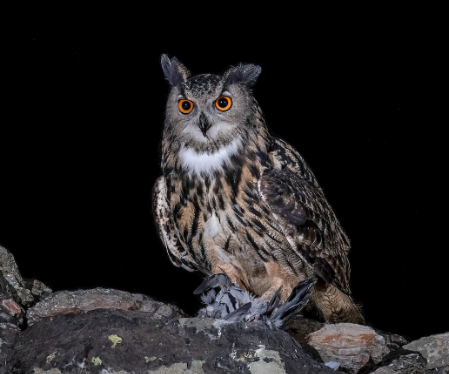
The Eurasian Eagle-Owl (Bubo bubo) boasts an impressive wingspan that can reach up to 2 meters (6.6 feet), making it one of the largest owls globally. Its plumage is primarily mottled brown, which provides excellent camouflage against the bark of trees in its natural habitat. Distinctive ear tufts give it an imposing regal look, further enhanced by bright orange eyes that can be a captivating sight in the night.
These owls are not just about looks; their physical attributes are finely tuned for survival. Their powerful talons are designed for gripping and killing prey, while their keen nocturnal vision allows them to hunt effectively in low-light conditions. The combination of strength and stealth makes the Eurasian Eagle-Owl a formidable predator. An Owl sculpture inspired by this species can emphasize its upright posture, intense gaze, broad wings, and commanding silhouette.
- Notice the size: Adults can weigh 1.5 to 4.2 kg (3.3 to 9.3 lbs).
- Observe the eye color: Bright orange eyes are a key identification feature.
- Look for ear tufts, which can vary in size and are particularly pronounced in males.
- Check their habitats, usually woodlands, forests, and rocky corners.
Habitats and Distribution
The Eurasian Eagle-Owl is found across a vast expanse of Europe, Asia, and North Africa. Its preferred habitats include forests, mountains, and areas with rocky outcrops, although it can also adapt to rural and suburban areas. The adaptability of this owl has allowed it to thrive in various environments, from the temperate forests of Europe to the arid regions of the Middle East.
One unique aspect of its distribution is its territorial nature. Adult Eurasian Eagle-Owls establish and defend territories that can range from 3 to 10 square kilometers, depending on the abundance of food. This behavior ensures they have enough hunting grounds to meet their dietary needs, particularly since they prey on a diverse range of animals, including small mammals, birds, and even reptiles. In nature parks, woodland trails, and educational gardens, an Owl sculpture can serve as a visual reminder of the owl’s close relationship with wild landscapes and quiet nighttime habitats.
- Identify preferred habitats: Look for forests, rocky terrains, and urban edges.
- Understand territorial behavior: They defend large areas to ensure sufficient food supply.
- Respect their space: Observing from a distance helps reduce stress on the birds.
- Monitor local sightings: Joining birdwatching groups can help track their populations in your area.
Hunting and Diet
The diet of the Eurasian Eagle-Owl is as diverse as its habitats. These owls are skilled hunters, primarily preying on small mammals like rodents, rabbits, and hares. They are also known to catch birds, reptiles, and even fish when the opportunity arises. Their exceptional hearing and night vision enable them to detect movement in darkness, allowing them to swoop down on unsuspecting prey.
After catching their prey, Eurasian Eagle-Owls will often carry it to a secluded perch to consume it. They have a unique method of swallowing their food whole, and any indigestible parts like bones and fur are regurgitated as pellets later. This behavior provides vital insights into their diet, helping ornithologists study their feeding habits and ecological impact. A dynamic Owl sculpture showing spread wings or a perched hunting pose can capture this balance of patience, stealth, and power.
- Understand their hunting strategy: They rely on stealth and patience.
- Learn about their diet: Familiarize yourself with the local prey species.
- Monitor pellet casts: Discover what they eat by examining their regurgitated pellets.
- Consider joining a wildlife conservation program: Engage in efforts to protect their habitats.
Conservation Status
The Eurasian Eagle-Owl is classified as Least Concern by the IUCN, but its populations are affected by habitat loss, hunting, and environmental changes. In some regions, human encroachment has reduced their habitats and led to a decline in available prey. Despite the challenges, conservation efforts have been implemented in various countries to protect these magnificent birds and their environments.
Community awareness is crucial for their survival. Many organizations work to educate the public about the importance of owl conservation and promote responsible behaviors to minimize disturbances. By supporting these efforts, you can contribute to the long-term viability of the Eurasian Eagle-Owl and other wildlife species. In wildlife centers, schools, and conservation areas, an Owl sculpture can also function as an educational focal point, encouraging people to appreciate and protect these impressive nocturnal birds.
- Stay informed: Follow updates from local conservation organizations.
- Participate in bird counts: Help track local populations.
- Advocate for habitat protection: Support local and global initiatives.
- Engage with the community: Promote awareness about the importance of these owls.
The Eurasian Eagle-Owl is a fascinating creature that embodies the beauty and complexity of nature. By learning about its characteristics, habitats, and conservation needs, you can play a role in protecting this majestic bird for future generations. Whether through responsible birdwatching, habitat conservation, wildlife education, or the symbolic presence of an Owl sculpture in a natural or public space, this remarkable owl continues to inspire respect for the nocturnal world.