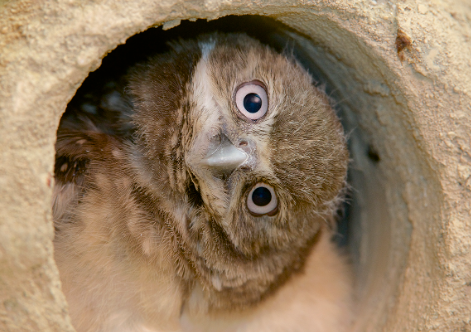
Burrowing owls are fascinating creatures that thrive in subterranean habitats. These small, agile birds showcase a unique lifestyle that revolves around their underground burrows, providing them with protection and a place to raise their young. In this blog post, we will explore the world of burrowing owls and their life underground, examining their nesting habits, diet, and conservation efforts.
1. Nesting Habits of Burrowing Owls
Burrowing owls are known for their remarkable nesting behavior. Unlike most owl species that prefer tree cavities or open structures, burrowing owls dig their homes underground. They often take over existing burrows made by other animals, such as prairie dogs or ground squirrels. These burrows can extend deep underground, providing shelter from predators and harsh weather conditions.
Once the burrow is established, the female owl lays eggs that she incubates for about four weeks. The average clutch contains 6 to 12 eggs, and both parents participate in caring for the young. As the owlets grow, they begin to venture out of the burrow and learn to fly. This unique approach to nesting allows burrowing owls to take advantage of the protection that underground living offers.
-
- Look for burrowing owl nests in open fields or grasslands.
-
- Observe their behavior during the breeding season, especially from April to August.
-
- Note the presence of other burrowing animals nearby, as these can indicate potential nesting sites.
-
- Be mindful of your distance; maintaining a respectful distance helps minimize disturbance.
2. Diet and Hunting Techniques
Burrowing owls have a varied diet that primarily consists of small mammals, insects, and even reptiles. They are known for their unique hunting techniques, which often involve using their long legs to chase prey or catching insects mid-air. This adaptability allows them to thrive in different environments and provides them with a balanced diet essential for their survival.
Interestingly, burrowing owls have a habit of storing food in their burrows; they will stash excess prey to eat later. This behavior not only helps them prepare for leaner times but also contributes to their role in controlling pest populations in their habitats. Their hunting strategies, combined with their opportunistic feeding habits, make them remarkable predators in their ecosystems.
-
- Monitor the types of prey in your area if you’re a wildlife enthusiast.
-
- Avoid using pesticides that can harm not only burrowing owls but also their prey.
-
- Support conservation efforts to maintain healthy ecosystems for these birds.
-
- If you have a garden, consider planting native plants that attract insects, providing food sources.
3. Conservation Status and Efforts
Burrowing owls face various threats, including habitat loss, pesticide exposure, and human encroachment. As their natural habitats are converted to urban areas or agricultural lands, these owls find it increasingly difficult to find suitable nesting sites. Conservation organizations work to protect these birds through habitat restoration and providing educational outreach to local communities.
Many regions have implemented protection measures, such as laws that restrict destruction of burrowing owl habitats. Additionally, artificial burrows are sometimes created to provide shelter for these owls. By raising awareness about the importance of these birds, we can help ensure their continued survival in the wild.
-
- Get involved with local conservation groups focused on protecting burrowing owls.
-
- Report any sightings of burrowing owls to local wildlife authorities.
-
- Participate in citizen science projects that monitor owl populations.
-
- Spread awareness about the importance of preserving their natural habitats.
In conclusion, burrowing owls offer a captivating glimpse into the world of adapted wildlife. By understanding their unique life underground and the challenges they face, we can take proactive measures to help protect them. Consider getting involved in local conservation efforts or simply learning more about these remarkable birds in your area.