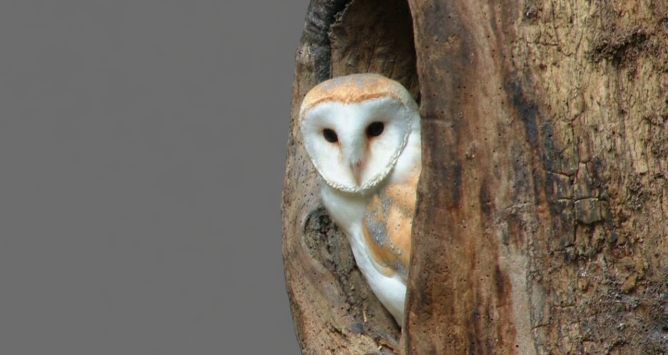
Owls are remarkable creatures that have captivated our imaginations for centuries. Their ability to hunt in complete darkness is a fascinating aspect of their behavior that showcases nature’s ingenuity. Understanding how they do this not only reveals the mysteries of these nocturnal predators but also highlights the unique adaptations they possess.
1. Specialized Vision for Night Hunting
One of the most impressive adaptations owls possess is their extraordinary eyesight. Owls have large eyes that are specifically designed to capture low levels of light. Unlike humans, these birds have a high density of rod cells in their retinas, allowing them to see well in near-total darkness. Additionally, the shape of their eyes is tubular, which enables them to gather even more light than spherical eyes can.
When hunting at night, owls rely on their keen vision to locate prey. Their eyes are adapted to detect motion and contrast, which is vital in the dim conditions they often find themselves in. They can spot small mammals or insects against the faintest background of moonlight or starlight, making them exceptional hunters even in the dark.
-
- Observe an owl’s hunting area at dusk to appreciate their keen eyesight.
-
- Note how they move silently to avoid alerting prey.
-
- Understand that owls can hunt during different times of the night.
-
- Consider how light pollution affects wildlife behavior.
2. Acute Hearing and Silent Flight
Beyond their exceptional vision, owls have a remarkable auditory system that allows them to detect even the faintest sounds made by their prey. Their ears are not located symmetrically on their head; one ear is positioned higher than the other. This asymmetry enables them to determine the vertical and horizontal location of sounds, which is crucial for hunting in the dark.
In addition to their acute hearing, owls possess silent flight characteristics. The structure of their feathers allows for minimal sound while flying, which means they can swoop down on unsuspecting prey without warning. The fringed leading edges of their primary feathers help to break up turbulent air, further enhancing their stealth as they glide through the night.
-
- Learn about different owl species and their specific adaptations for hunting.
-
- Pay attention to sounds that owls make during their hunting process.
-
- Observe the flight patterns of owls to understand their hunting techniques.
-
- Consider installing a wildlife camera to monitor owls in your area.
3. Hunting Techniques and Strategies
Owls use a variety of strategies while hunting to maximize their chances of catching prey. One common technique is perch hunting, where an owl sits silently on a branch or a ledge, scanning the ground below. This position allows them to observe for movement while using their excellent vision and hearing to sense potential meals.
Another strategy they employ is active hunting, which involves flying low over open fields or forests to locate small animals. During this phase, they may utilize their exceptional sense of hearing to pinpoint the location of sounds made by rodents and other prey beneath the cover of darkness. Once detected, owls use their powerful talons to capture their next meal swiftly.
-
- Explore different habitats where owls can be found hunting.
-
- Research the types of prey that owls target in your area.
-
- Familiarize yourself with the owl calls to identify different species.
-
- Observe the behavior of owls during different seasons.
4. Role in Ecosystem and Conservation Efforts
Owls play a critical role in maintaining the balance of ecosystems. As top predators, they help control populations of rodents and other small mammals, which can otherwise reach pestilential levels. By regulating these populations, owls contribute to the health of their habitats and promote biodiversity.
Unfortunately, many owl species are facing threats due to habitat loss, climate change, and human interference. Conservation efforts are vital to ensure that these remarkable birds continue to thrive in the wild. Environmental organizations across the globe are working tirelessly to protect owls and their habitats through awareness campaigns, habitat restoration, and research initiatives.
-
- Support local wildlife and conservation organizations focused on owls.
-
- Educate others about the importance of owls in ecosystems.
-
- Participate in birdwatching events to encourage conservation efforts.
-
- Consider creating owl-friendly spaces in your backyard or community.
In conclusion, the hunting prowess of owls in total darkness is a testament to their incredible adaptations. By understanding these remarkable abilities, we can gain greater appreciation for these nocturnal predators and contribute to their conservation. If you’re inspired by the fascinating world of owls, consider getting involved in local wildlife protection or start monitoring these magnificent birds in your own neighborhood.