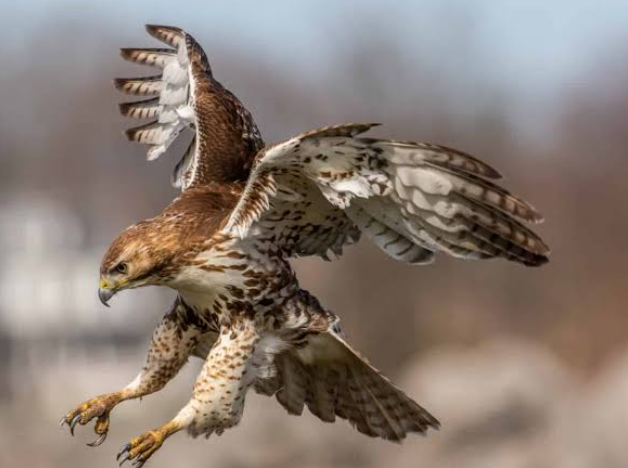
Raptors, such as eagles, hawks, and owls, possess remarkable eyesight that plays a crucial role in their hunting success. Understanding the intricacies of their vision can enrich our appreciation of these magnificent birds and their predatory skills.
1. The Anatomy of Raptor Eyesight
Raptors have evolved to possess large eyes relative to their head size, enabling an extraordinary field of vision. Their eyes are packed with a high density of cone cells, which are responsible for color detection, and some species even have special adaptations that allow them to see ultraviolet light. This ability gives raptors an edge over their prey, such as rodents or insects, which may have natural markings that become visible under ultraviolet rays.
The positioning of a raptor’s eyes also significantly contributes to its ability to spot prey. Most raptors have their eyes positioned on the front of their face, giving them excellent depth perception. This forward-facing arrangement means they can judge distances more accurately than birds with side-placed eyes, making it easier for them to dive or swoop down on unsuspecting prey from considerable heights.
-
- Observe the eye shape and size of different raptors.
-
- Learn about cone cells and their role in color perception.
-
- Compare frontal vs. side-eye positioning in different bird species.
-
- Study how different environments affect raptor hunting adaptations.
2. Hunting Techniques Guided by Vision
The hunting success of raptors is closely tied to their vision. Many species utilize a “stoop,” or a high-speed dive, to catch their prey. For instance, the peregrine falcon can reach speeds over 200 mph during a stoop, often spotting its target several miles away. Their acute vision helps them calculate trajectory and speed, allowing for precise timing in the hunt.
Other raptors, like the great horned owl, rely heavily on low-light conditions. Their large eyes maximize light intake, enabling them to be effective hunters even at dusk or dawn. Additionally, their asymmetrical ear placement allows them to pinpoint the location of sounds, boosting their capability to locate prey hiding in thick cover.
-
- Watch documentaries about raptors to see their hunting techniques.
-
- Observe raptors in action during different times of the day.
-
- Take note of how various species adapt their hunting strategies to their environment.
-
- Consider creating a habitat that attracts birds of prey to your area.
3. The Role of Environmental Factors
Environmental conditions significantly impact the effectiveness of a raptor’s eyesight. For instance, bright sunlight can create glare, making it more challenging for them to spot prey lurking in the shadows. Therefore, many raptors tend to hunt during early morning or late afternoon when the sun is lower in the sky and creates less glare.
Weather conditions, like heavy rain or fog, also affect visibility. Some raptors have been observed adapting their hunting strategies based on the weather. In overcast conditions, they might rely more on their hearing or hunting near open fields where visibility is better, compared to forested areas where prey might be easier to conceal.
-
- Monitor local weather conditions to understand raptor behavior.
-
- Explore how time of day affects raptor hunting patterns.
-
- Identify how seasons alter the types of prey available.
-
- Learn about conservation efforts that impact raptor habitats.
Raptors are fascinating creatures with adaptations that have evolved over millions of years. Their eyesight is not just a marvel of nature; it’s a key factor in their survival. By observing these birds and their behaviors, we can gain insights into the intricate balance of ecosystems and the importance of preserving their habitats.
In conclusion, understanding raptor eyesight and their hunting techniques enhances our admiration for these majestic birds. To deepen your knowledge, consider taking a birdwatching course or joining a local wildlife conservation group. Every effort counts toward protecting these magnificent creatures.