The awe-inspiring journeys of storks and cranes across vast distances capture the imagination of bird enthusiasts and nature lovers alike. These migratory birds navigate challenging routes, facing various environmental and physical hurdles. Understanding their migration patterns can deepen our appreciation for these magnificent creatures and highlight the importance of their habitats.
1. The Migration Patterns of Storks and Cranes
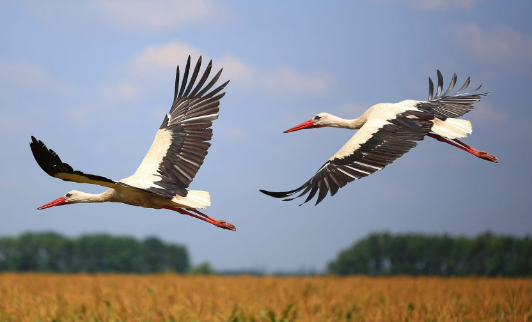
Storks and cranes embark on extensive migration routes that can cover thousands of miles, primarily in search of food and suitable nesting grounds. For example, the White Stork travels from Europe to Africa, flying up to 3,700 miles each year. Similarly, the Common Crane migrates between breeding grounds in northern Europe and winter habitats in southern Europe or Africa, often taking breaks to rest and feed during the journey.
The timing of these migrations can vary based on species, environmental conditions, and even geographic locations. Most storks leave their breeding areas in late summer or early autumn, knowing that favorable weather conditions are essential for their journey. During migration, they rely on thermals—columns of warm air rising from the ground—to gain altitude and conserve energy, allowing them to travel long distances with minimal effort.
-
- Observe seasonal patterns: Track when storks and cranes typically begin their migrations in your area.
-
- Visit local bird-watching spots: Look for migration patterns during the spring and fall seasons.
-
- Research specific species: Learn about the particular migration routes of storks and cranes in your region.
-
- Participate in citizen science: Join programs that track bird migration data for conservation efforts.
2. Challenges Faced During Migration
Migrating over long distances exposes storks and cranes to numerous challenges, including adverse weather, habitat loss, and human interference. Weather plays a critical role: storms can ground birds, while strong winds can alter their flight paths. Additionally, climate change threatens to impact traditional migration routes, making certain areas less hospitable for nesting and feeding.
Habitat loss is another pressing issue, with urban development and agricultural expansion reducing the availability of crucial stopover sites. Without places to rest and refuel on their journey, these birds might struggle to complete their migrations. Conservation initiatives aim to protect these critical habitats, ensuring storks and cranes can thrive and migrate effectively.
-
- Stay informed about local environmental issues that may affect bird habitats.
-
- Support conservation efforts aimed at protecting migratory birdstopover sites.
-
- Reduce personal impact: Minimize light pollution in your area during migration seasons.
-
- Spread awareness: Educate others about the challenges these birds face during migration.
3. The Role of Technology in Tracking Migration
Advancements in technology have allowed researchers to track the migration of storks and cranes with unprecedented accuracy. GPS tracking devices and satellite telemetry provide real-time data about their movements, helping scientists understand their migratory patterns and behaviors more comprehensively. This technology allows for the collection of vital information on migration timing, route preferences, and habitat use during transit.
Through data analysis, researchers can identify critical migration corridors that need protection. This is crucial for implementing conservation strategies that can facilitate safe passage for these migratory birds. Furthermore, technology enables citizen scientists to contribute to tracking efforts, turning birdwatchers into valuable sources of data on the avian population.
-
- Follow migration tracking websites: Use real-time tracking tools to monitor the movements of storks and cranes.
-
- Join citizen science initiatives: Participate in projects that utilize technology to study bird migrations.
-
- Share findings on social media: Help raise awareness about the importance of migratory bird conservation.
-
- Engage with local conservation groups: Collaborate on technology-driven projects that support migratory bird research.
4. How to Support Storks and Cranes in Your Community
Supporting migratory storks and cranes goes beyond merely observing them in their natural habitats. Engaging with conservation efforts can significantly impact their survival. Local initiatives may include habitat restoration projects, educational programs, and advocacy for sustainable land use practices to protect migratory pathways.
Engagement can start simply at home. Backyard birdwatching can turn into effective citizen science, as reporting your sightings can help researchers monitor populations. Additionally, creating a bird-friendly environment in your yard—a mix of native plants, food sources, and safe resting areas—can contribute to their overall well-being during migration.
-
- Plant native vegetation: Create habitats that support local wildlife, including migratory birds.
-
- Provide water sources: Install birdbaths or small ponds to help birds remain hydrated.
-
- Reduce pesticide use: Opt for organic gardening practices that are less harmful to birds.
-
- Connect with wildlife organizations: Volunteer with local groups to promote conservation efforts.
In conclusion, understanding the fascinating migration of storks and cranes not only enriches our knowledge of these remarkable birds but also highlights our role in their conservation. Whether through engagement with local activities or learning about their challenges, every action can make a difference. Consider getting involved in conservation efforts today to help protect their incredible journeys for future generations.