Herons and egrets are fascinating birds that thrive in wetland ecosystems. Known for their graceful movements and striking appearances, these birds showcase unique hunting techniques that are both efficient and mesmerizing.
1. Understanding the Hunting Techniques
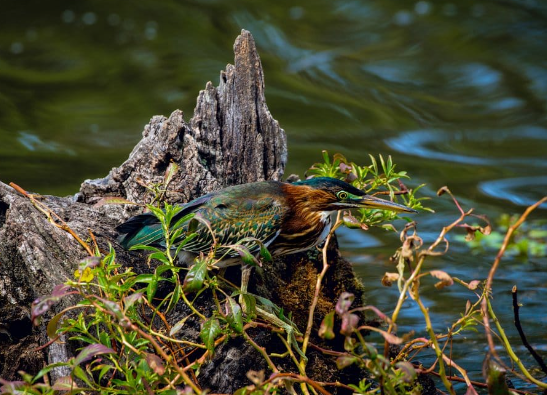
Herons and egrets exhibit diverse hunting behaviors that adapt to their surroundings. Herons, for instance, often use a “stand and wait” approach, standing still for long periods while scanning for prey. Their patience pays off when fish, frogs, or small mammals wander too close, allowing them to strike with swift, spear-like movements of their beaks.
Egrets, on the other hand, may use a more dynamic approach. They tend to walk around in shallow waters, stirring up vegetation to both unearth hiding prey and attract their attention. This method is particularly effective in shallower parts of wetlands, where their white plumage contrasts sharply with the dark waters, making them visible to both prey and observers.
-
- Observe the behavior of these birds from a distance.
-
- Take note of their different hunting styles.
-
- Pay attention to the time of day; different species may hunt at preferred times.
-
- Consider the habitat; herons may dominate deeper waters, while egrets prefer shallower areas.
2. Key Prey of Herons and Egrets
The diet of herons and egrets is mainly composed of fish, amphibians, and small invertebrates. Herons tend to prefer larger bodies of water where they can catch fish such as minnows and bluegills; egrets can hunt equal quantities of both small fish and crustaceans. Interestingly, the nature of their prey impacts the hunters’ techniques; larger fish often require longer standing still, while smaller prey might involve a more active approach.
Moreover, these birds are not picky eaters; they will adapt their hunting styles to the availability of food in the environment. In regions where competition for food is fierce, they might work together, using their numbers to corner fish into smaller areas where individual birds can catch more easily. This behavior shows incredible adaptability and resourcefulness in their hunting methods.
-
- Learn about the local fish species in wetlands.
-
- Identify other prey types they might hunt, like frogs or insects.
-
- Explore seasonal changes in prey availability.
-
- Understand predator-prey relationships in the wetland ecosystem.
3. The Role of Wetlands in Their Survival
Wetlands serve as vital habitats for herons and egrets, providing essential food resources and breeding grounds. These unique ecosystems maintain healthy water levels and help filter pollutants, directly impacting the sustenance of fish and other aquatic life. Consequently, preserving wetlands ensures that herons and egrets continue to thrive in their natural environments.
Unfortunately, wetland degradation from development and climate change poses significant threats to these bird populations. The drainage of wetlands, alongside pollution and invasive species, jeopardizes their hunting grounds and food supply. Restoration and conservation efforts are essential for ensuring that herons and egrets can continue their important ecological roles.
-
- Support local wetland conservation initiatives.
-
- Participate in clean-up efforts to combat pollution.
-
- Educate yourself about local wildlife preservation programs.
-
- Advocate for policies aimed at protecting wetland ecosystems.
Through understanding and appreciating the behaviors and habitat needs of herons and egrets, we can better support these beautiful birds. By engaging in conservation and awareness efforts, we can help protect their habitats for future generations. Whether you’re a birdwatching enthusiast or a newcomer, your involvement can make a difference!