The Wedge-Tailed Eagle, known as Aquila audax, reigns as one of the most magnificent birds of prey in the Australian Outback. With wingspans reaching up to 2.8 meters, these eagles are not only visually striking but also play a vital role in the ecosystem. Their commanding presence, broad wings, and powerful silhouette have also inspired wildlife art and public installations, where an eagle sculpture can symbolize freedom, strength, endurance, and the wild spirit of Australia. In this blog post, we’ll explore the characteristics, habitat, hunting techniques, and conservation status of the Wedge-Tailed Eagle.
Characteristics of the Wedge-Tailed Eagle
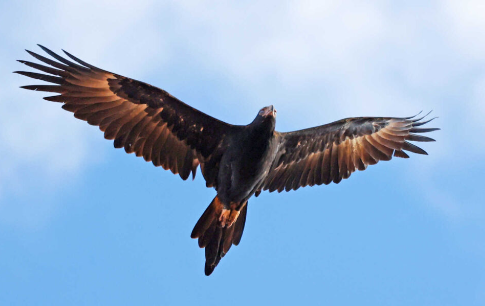
The Wedge-Tailed Eagle is easily recognizable by its distinctive wedge-shaped tail and long, broad wings. Adults typically have dark brown plumage, while their head and neck are covered with a subtle golden hue. Juvenile eagles, on the other hand, exhibit lighter feathers with a mottled appearance for camouflage. These physical traits not only contribute to their beauty but also serve practical purposes in their natural habitat.
Another fascinating characteristic of the Wedge-Tailed Eagle is its impressive eyesight. Known to have vision that is five times better than that of a human, these eagles can spot potential prey from great distances. This keen eyesight is essential for locating small animals and understanding their environment, enabling them to adapt and thrive in the harsh conditions of the outback. An eagle sculpture inspired by the Wedge-Tailed Eagle can highlight these defining features, especially its broad wings, sharp gaze, strong talons, and unmistakable tail shape.
- Learn to identify the Wedge-Tailed Eagle by its shape and color.
- Observe their hunting behavior during different times of the day.
- Use binoculars for better viewing when birdwatching.
- Research local wildlife for more insights on their behavior.
Habitat and Distribution
The Wedge-Tailed Eagle is widespread across Australia, and it prefers open areas such as grasslands, scrublands, and forests. This adaptability allows them to thrive in varying environments, ranging from coastal regions to arid inland zones. Their nests are usually built high in tall trees or cliffs, providing safety for their young from ground predators and allowing for a commanding view of their surroundings.
A noteworthy aspect of their habitat is the territory they maintain. Wedge-Tailed Eagles can roam vast areas, often spanning 100 kilometers or more, as they search for food. Their preference for open spaces helps them spot potential prey, ranging from small mammals and reptiles to carrion. As human activities encroach on their habitats, understanding these preferences is essential to help ensure their survival. In parks, wildlife centers, and outdoor educational spaces, an eagle sculpture can serve as a visual reminder of the bird’s connection to open landscapes and the need to protect native habitats.
- Explore local parks or reserves where Wedge-Tailed Eagles might reside.
- Visit during different seasons to observe their nesting behaviors.
- Learn about conservation efforts in your area to protect their habitat.
- Participate in local birdwatching events to share experiences and insights.
Hunting Techniques and Diet
Wedge-Tailed Eagles are skilled hunters, employing various techniques to catch their prey. One common method is soaring high in the sky, allowing them to spot movement on the ground below. Once they identify potential prey, they rapidly descend, often reaching speeds of over 100 kilometers per hour. This technique not only emphasizes their physical prowess but also showcases their intelligence in selecting the best hunting strategy.
The diet of the Wedge-Tailed Eagle is diverse and adaptable, consisting primarily of small mammals, birds, and reptiles. They are known to eat rabbits, wallabies, and even carrion. Their opportunistic feeding behavior ensures they can survive in different conditions, relying on what is available in their environment. Observing their hunting or feeding habits can reveal much about their ability to adapt to changes in their ecosystem. A dynamic eagle sculpture showing the bird in flight, diving, or perched in a watchful stance can capture this hunting power and the precision that defines its role as a top predator.
- Watch for hunting behaviors early in the morning or late afternoons.
- Learn about local prey species that Wedge-Tailed Eagles target.
- Encourage wildlife conservation efforts to support their food sources.
- Document feeding habits if you go birdwatching.
Conservation Status and Threats
Despite being one of the most iconic birds in Australia, Wedge-Tailed Eagles face numerous threats. Habitat destruction, primarily due to land clearing for agriculture and urban development, poses a significant challenge to their populations. Additionally, collisions with vehicles and power lines, along with illegal hunting, have further decreased their numbers. To mitigate these risks, conservation programs are vital to protect their habitats and educate the public on the importance of these majestic birds.
Several organizations are working tirelessly to raise awareness and implement conservation strategies. By capturing data on their population and migration patterns, researchers can focus efforts where they are needed most. Community engagement plays a key role in these initiatives, emphasizing the need for collective action to preserve the fragile ecosystems where these eagles thrive. In conservation parks, visitor centers, and public gardens, an eagle sculpture can become more than decoration; it can function as an educational landmark that draws attention to the species and its environmental importance.
- Stay informed about local conservation projects and initiatives.
- Volunteer for wildlife surveys or habitat restoration activities.
- Report any sightings to local conservation groups for data collection.
- Help educate others about the importance of preserving their habitats.
The Wedge-Tailed Eagle embodies the spirit of the Australian Outback, demonstrating beauty, strength, and adaptability. Understanding their characteristics, habitat, and the threats they face can inspire individuals and communities to take action for their conservation. Whether through birdwatching, habitat protection, public education, or the symbolic presence of an eagle sculpture in a natural or cultural space, this magnificent bird continues to represent the power and resilience of Australia’s wild landscapes.