The African Fish Eagle is one of Africa’s most remarkable birds of prey, noted for its distinctive call and impressive hunting skills. Found near freshwater bodies across sub-Saharan Africa, their hunting techniques are both fascinating and efficient, providing an important ecological role in their habitats. With its bold posture, sharp gaze, and dramatic wings, this bird has also inspired wildlife art and public decoration, where an eagle statue can symbolize strength, freedom, watchfulness, and the beauty of Africa’s river landscapes.
The Hunting Technique
The African Fish Eagle’s hunting prowess is largely attributed to its keen eyesight and adaptability. These majestic birds can spot fish swimming below the surface of the water from great heights, allowing them to dive with precision. For instance, they can see fish from a remarkable distance and often perch high on trees or cliffs to survey the water below.
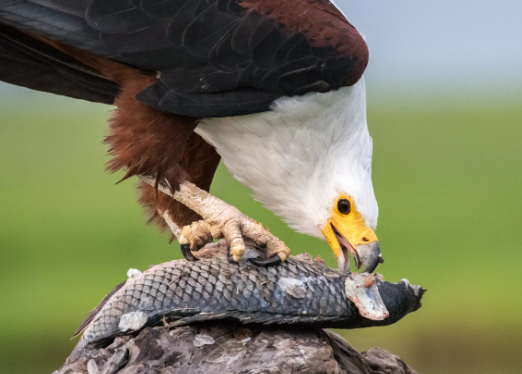
Once the eagle identifies its target, it executes a dive, often using its sharp talons to grasp the fish. A fish eagle can catch prey weighing up to 2 kilograms, but they prefer smaller fish that are easier to handle. Their hunting strategy is influenced by the species of fish that populate their chosen habitat, demonstrating their adaptability to diverse ecosystems. An eagle statue inspired by this hunting moment can capture the bird’s extended wings, focused head, and powerful talons as it moves toward the water.
- Identify common fish in local rivers.
- Scout for elevated perches where eagles are likely to hunt.
- Observe for diving behavior to understand timing and technique.
- Consider the time of day when fish are most active, such as early morning.
Habitat Preference and Location
African Fish Eagles are commonly found near large bodies of freshwater, including lakes, rivers, and floodplains, where fish populations are abundant. Their preference for these habitats is not just for hunting; they also use them for nesting. The proximity to water ensures a steady food supply for their chicks, which is crucial for their survival.
These birds often migrate depending on seasonal changes, following fish migrations or changes in water levels. For example, during the rainy season, when rivers swell and floodplains expand, fish become more accessible, attracting eagles to these areas. The seasonal movements emphasize the importance of healthy aquatic ecosystems, which play a vital role in maintaining bird populations. In lakeside parks, nature reserves, and waterfront viewing areas, an eagle statue can serve as a visual landmark that reflects the bird’s close relationship with rivers and wetlands.
- Locate local rivers and lakes popular with fishing eagles.
- Understand seasonal patterns that could affect fish populations.
- Monitor water quality and biodiversity in habitats.
- Participate in local conservation efforts to protect these environments.
Conservation and Challenges
Despite their impressive adaptations, African Fish Eagles face several challenges that threaten their populations. Pollution in freshwater systems can lead to a decline in fish numbers, directly impacting the eagles’ food sources. Additionally, habitat destruction from urbanization and agriculture can deplete areas where these birds thrive.
Conservation efforts are vital to ensure the survival of this species. Community-based initiatives that focus on preserving wetland ecosystems not only benefit fish populations but also safeguard the eagles’ habitat. Organizations often work to raise awareness about the importance of clean water and biodiversity, which can help mitigate the dangers these birds face. In visitor centers, conservation parks, or educational trails, an eagle statue can become more than decoration; it can remind people of the need to protect freshwater habitats and the wildlife that depends on them.
- Support conservation projects focused on wetlands.
- Educate others about the ecological role of fish eagles.
- Reduce pollution in local waterways through responsible practices.
- Engage in citizen science projects to monitor eagle populations.
Observation Tips for Birdwatchers
For birdwatchers keen on observing the African Fish Eagle in action, there are several essential tips to enhance your experience. First, choose the right time of day, as early mornings and late afternoons are often the most active periods. Being patient and quietly observing can provide the best opportunities for spotting these magnificent birds.
Bring along binoculars for a closer look and remember to respect their space. Avoid getting too close to nesting sites or hunting zones, as this can disturb their natural behavior. Familiarizing yourself with their calls can also help you locate them swiftly, as their iconic cry can carry over long distances. For birdwatching destinations, lodges, and riverside nature spaces, an eagle statue can help create a memorable sense of place while celebrating one of Africa’s most recognizable raptors.
- Prepare essential birdwatching gear, such as binoculars and a field guide.
- Research local fishing spots where eagles are frequently seen.
- Document sightings to contribute to local birding databases.
- Practice patience and stay quiet during your observations.
In conclusion, the African Fish Eagle is not only a symbol of beauty and power but also an integral part of the ecosystems around rivers in sub-Saharan Africa. Understanding their hunting techniques, habitat preferences, and conservation needs is essential for their survival. As enthusiasts, connecting with local conservation efforts and engaging in responsible birdwatching can contribute to the well-being of these stunning birds. Whether seen in the wild, studied through wildlife education, or represented by an eagle statue in a natural or public space, the African Fish Eagle continues to reflect the strength and vitality of Africa’s freshwater environments.