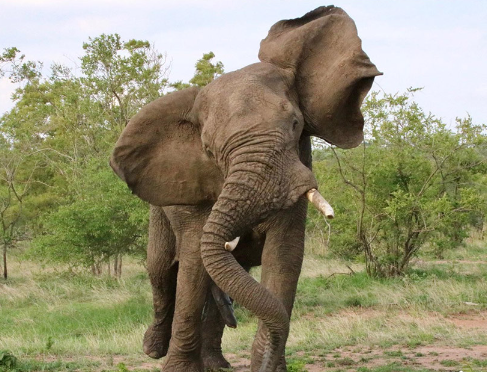
Elephants are fascinating creatures, not just because of their size and intelligence, but also due to their unique behaviors. One particularly interesting behavior is ear flapping, which plays a crucial role in regulating their body temperature under the hot sun. Understanding how elephants use this behavior for heat control can help us appreciate these magnificent animals even more.
1. The Science Behind Elephant Ear Flapping
Elephant ears are not just large appendages; they are complex, vascular structures that help with thermoregulation. The skin of the ears contains a network of blood vessels that facilitate heat dissipation. When elephants flap their ears, they essentially create a breeze that enhances heat loss, allowing them to cool down more effectively. This behavior is especially critical in the hot climates where most elephants reside, such as the savannahs of Africa and tropical regions of Asia.
Interestingly, the ear flapping behavior can vary among elephant species. African elephants typically have larger ears than their Asian counterparts, which enables them to dissipate heat more efficiently. An elephant can significantly reduce its body temperature by up to 10 degrees Celsius just by flapping its ears in conjunction with other cooling methods such as bathing and seeking shade.
-
- Observe ear flapping in elephants to understand its cooling function.
-
- Learn about the vascular structure within the elephant’s ears.
-
- Research the climatic conditions affecting different elephant species.
-
- Watch documentaries to see these behaviors in action.
2. The Role of Behavior in Heat Regulation
In addition to ear flapping, elephants employ other behaviors to manage their body heat. For instance, they frequently take mud baths, allowing the mud to dry on their skin, which creates a cooling effect as it evaporates. Additionally, they often seek out shade from trees or larger geographical features to escape the heat of the sun. All these behaviors work in tandem with ear flapping to ensure that these giant mammals maintain a comfortable body temperature.
The social structure of elephants also plays a role in their heat regulation strategies. Herds often stay close together during the hottest periods of the day, creating an environment where they can share the available shade as well as feel more comfortable. Understanding the social and physical behaviors of elephants showcases their adaptability to extreme environmental conditions.
-
- Encourage the observation of social behaviors within elephant herds.
-
- Learn about additional cooling methods, like mud baths and shade-seeking.
-
- Research the environmental conditions that impact elephant behavior.
-
- Visit wildlife sanctuaries to see how elephants adapt to their habitat.
3. Conservation and Understanding Elephant Heat Control
Understanding how elephants control their body temperature through ear flapping is vital for conservation efforts. As climate change continues to impact habitats globally, elephants are at risk of overheating due to higher temperatures and the destruction of their natural habitats. Conservationists are now focusing on preserving not just the elephants but also the ecosystems that support their behavioral needs, including shade trees and water sources for mud baths.
Furthermore, educating the public about these remarkable behaviors is essential for creating awareness and fostering empathy toward these animals. When people learn how crucial ear flapping and other cooling behaviors are, they may be more inclined to support conservation initiatives aimed at protecting elephants from climate change and habitat loss.
-
- Support local and global elephant conservation initiatives.
-
- Educate others about elephant behavior and its relation to heat control.
-
- Stay informed about climate change impacts on wildlife.
-
- Engage in sustainable tourism practices that promote conservation.
In conclusion, elephant ear flapping is more than just an adorable behavior; it is a critical adaptation for managing heat in their environments. By taking the time to understand these actions and the larger context of elephant conservation, we can contribute to their protection. Consider engaging with conservation organizations or local wildlife groups to play your part in saving these magnificent creatures.