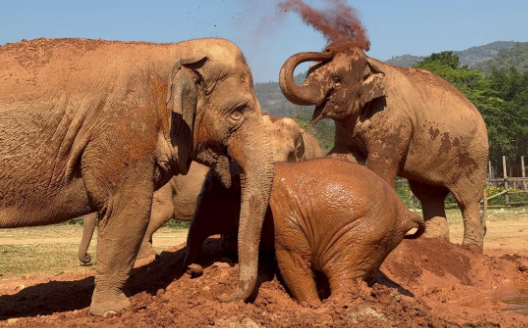
Elephants are one of the most fascinating and intelligent species on our planet. Their interactions with other animal species showcase their complex behaviors and social structures, highlighting the importance of biodiversity in ecosystems. In this blog post, we will explore various animal interactions involving elephants, illustrating how these connections benefit not only elephants but also their fellow inhabitants in the wild.
1. Elephants and Birds: A Mutualistic Relationship
Elephants often form mutualistic relationships with various bird species, particularly oxpeckers. These birds perch on elephants, feeding on parasites and ticks that infest their skin. This relationship is beneficial for both parties; elephants get rid of harmful pests while the birds have a convenient food source. In some cases, elephants even display behavioral cues, like rolling in dust or water, to encourage birds to help them with grooming.
Additionally, elephants can be seen engaging with flocking birds, like the white stork, which often follows them to take advantage of the insects disturbed by the elephants’ movements. Such interactions illustrate how elephants create small ecosystems through their actions. The benefit extends beyond just individual animals to the broader community of flora and fauna that thrive in areas where elephants roam.
-
- Observe birds around elephants during safaris.
-
- Support conservation programs protecting both elephants and their avian partners.
-
- Share information about the mutualism between elephants and birds on social media.
-
- Participate in volunteer programs focused on wildlife conservation.
2. Elephants and Other Large Herbivores
Elephants are often seen interacting with other large herbivores, such as zebras, buffalo, and antelope. As mega-herbivores, elephants play a crucial role in shaping the vegetation ecosystem. Their feeding habits, including uprooting trees and trampling grasses, can help create open areas that benefit other animal species by reducing competition for food and resources. This interaction is vital for maintaining a balanced ecosystem.
Moreover, elephants can often be seen sharing watering holes with various herbivores. These communal bathing and drinking activities not only provide necessary hydration but also allow different species to coexist peacefully, helping to promote biodiversity. By adapting their behavior based on the presence of other species, elephants show their awareness of the intricate web of life surrounding them.
-
- Monitor how different species use shared resources.
-
- Educate others on the importance of coexistence among herbivores.
-
- Encourage sustainable land management practices to support diverse wildlife.
-
- Participate in local conservation initiatives focused on habitat preservation.
3. Elephants and Predators: A Delicate Balance
The relationship that elephants have with predators, such as lions, is fascinating yet often fraught with tension. Adult elephants, being large and formidable, usually have few natural predators. However, young calves are vulnerable and rely on the herd for protection. Adult elephants will often use their size and strength to defend their young while also providing a strong deterrent to potential threats, showcasing the social nature of these animals.
On the flip side, the interactions between elephants and predators can highlight the essence of predator-prey relationships in the wild. Lions, for instance, primarily rely on weaker animals for sustenance, and healthy elephant populations help maintain this natural cycle by ensuring that there’s enough food and habitat for all species to thrive. Thus, although it can appear as a conflict, these interactions play a critical role in the ecological balance.
-
- Learn about the predator-prey dynamics in natural habitats.
-
- Respect wildlife regulations and guidelines to avoid human-wildlife conflict.
-
- Support initiatives that educate on the importance of predator species.
-
- Participate in wildlife photography or monitoring programs to document these interactions.
4. Elephants and Insects: Unlikely Allies
While elephants are massive creatures, their interactions with smaller insect species are equally significant. Various insects, including ants and bees, often thrive in environments created by elephants through their feeding behavior. For example, when elephants uproot plants, it can create new spaces for insects to inhabit, thus promoting biodiversity within these ecosystems. Additionally, the dung produced by elephants serves as a nutrient-rich habitat for countless insects and contributes to the cycle of life and nutrient redistribution in the soil.
In certain regions, elephants can even help pollinate plants as they pass through dense vegetation, inadvertently brushing against flowers and transferring pollen. This showcases the interconnectedness of species and the vital role that even the largest animals play in maintaining the health of ecosystems, including supporting the life cycles of small but essential species.
-
- Educate yourself about the role of dung beetles in ecosystem health.
-
- Plant species in your garden that attract pollinators.
-
- Engage with local wildlife organizations to understand insect conservation.
-
- Share your knowledge of ecological interactions in your community.
In conclusion, the interactions between elephants and other animal species reveal a complex and interconnected web of life. By understanding these relationships and their ecological importance, we can appreciate the role of elephants in sustaining ecosystems. Whether you’re a wildlife enthusiast or simply intrigued by nature, consider getting involved in conservation efforts to help protect these magnificent creatures and their habitats.