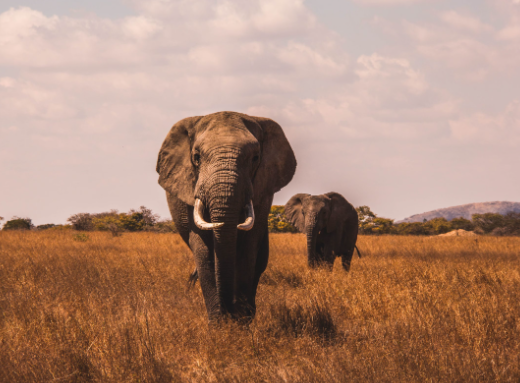
Climate change is a pressing issue affecting numerous species across the globe, including elephants. As these majestic creatures migrate for food and breeding, changing climate patterns significantly impact their traditional routes and habits.
1. Shifts in Traditional Migration Routes
Elephants are known for their extensive migration patterns, which often cover hundreds of miles in search of food and water. However, studies reveal a concerning trend: these traditional routes are shifting due to climate changes. Increased temperatures and altered rainfall patterns can lead to habitat loss, pushing elephants away from their usual paths. For example, the drying up of certain water bodies forces herds to take longer and more perilous detours, exposing them to various threats such as poaching and human conflict.
Furthermore, as vegetation changes with shifting climate conditions, elephants may struggle to find adequate food sources. Areas that once flourished with nutritious vegetation might become barren, forcing elephants to travel even further or adapt to less optimal diets, impacting their health and reproductive success. This can create a ripple effect throughout the ecosystem as elephants play a crucial role in their habitats.
-
- Monitor local weather patterns regularly to understand the changes.
-
- Support conservation efforts aimed at preserving elephant migration corridors.
-
- Engage with local communities to promote awareness of migration routes and their importance.
-
- Encourage the protection of critical water sources that elephants rely on.
2. Increased Human-Elephant Conflict
As elephants change their migration patterns, they often come into closer proximity to human settlements. This increased interaction can lead to conflict, which is detrimental for both species. For instance, as elephants search for food, they may raid crops, causing significant damage and leading to retaliatory actions from farmers. Such conflicts not only threaten the safety of local communities but also endanger the lives of these magnificent animals.
The loss of habitat due to agricultural expansion is a critical factor contributing to this conflict. As human populations grow and encroach on traditional elephant territories, new strategies are required to manage these interactions to ensure coexistence. Implementing early warning systems and community-based conservation strategies can help mitigate these conflicts and cultivate a more harmonious relationship between humans and elephants.
-
- Implement effective crop protection strategies to deter elephants.
-
- Educate local communities about the importance of elephants in the ecosystem.
-
- Establish communication channels for quick conflict resolution.
-
- Promote the development of wildlife-friendly agricultural practices.
3. Impact on Elephant Well-Being and Reproduction
The stress caused by changes in migration patterns and increasing human-elephant conflict adversely affects elephant well-being. Stress can hinder reproductive rates, leading to longer calving intervals and lower population growth. Studies have reported that elephants encountering frequent disturbances are more likely to experience difficulties during gestation and childbirth, which can result in increased calf mortality rates.
Moreover, nutritional deficiencies caused by shifts in food sources contribute to the declining health of elephant herds. Poor nutrition leads to weaker elephants who are more susceptible to disease, further jeopardizing their survival. With lower reproductive rates and higher mortality, it’s crucial to take action now to preserve these magnificent creatures for future generations.
-
- Promote localized research on elephant health and nutrition.
-
- Collaborate with wildlife vets to monitor elephant populations.
-
- Educate the public about the importance of elephants for biodiversity.
-
- Support breeding programs that focus on building resilient populations.
Climate change poses a significant challenge for elephants, influencing their migration routes, increasing human-wildlife conflict, and undermining their overall health. As stewards of the environment, it is vital for individuals, communities, and organizations to engage in proactive measures to protect elephant habitats and foster human-elephant coexistence.
In conclusion, addressing the impacts of climate change on elephant migration patterns requires collective efforts from everyone. Whether you’re a conservationist, a local farmer, or simply an animal lover, your actions can contribute to their survival and well-being. Let’s work together to ensure a future where elephants can thrive in their natural habitats.