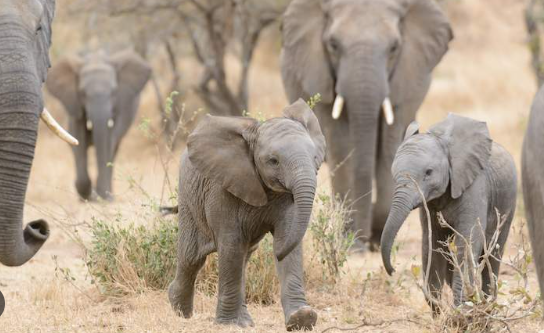
Elephants, the gentle giants of the animal kingdom, exhibit fascinating seasonal movement patterns. Understanding these movements is essential for conservation efforts and for comprehending their complex social structures and behaviors.
1. Migration Patterns During the Wet Season
During the wet season, which typically spans from May to October in many regions of Africa, elephants migrate towards areas with abundant water sources. This is crucial for their survival, as access to water is vital in preventing dehydration. During this period, herds can travel several kilometers daily to reach these resources, often following well-established migratory routes.
These movements are not random but are influenced by the availability of food and water, which changes throughout the rainy season due to seasonal vegetation growth. For instance, elephants may shift their locations within their home range as they track rainfall patterns, moving toward greener pastures or areas where seasonal rivers and ponds form.
-
- Observe local weather patterns to understand potential migration movements.
-
- Visit wetlands or lush forests during the wet season for optimal elephant watching.
-
- Utilize local guides who have knowledge of seasonal routes.
-
- Keep an eye on social media or forums for reports of recent elephant sightings.
2. Behavior During the Dry Season
As the dry season approaches, typically from November to April, water sources begin to dwindle, forcing elephants to adapt their movements accordingly. During this time, elephants may venture further from their usual grazing areas, traveling long distances to find sufficient water. This can sometimes lead them to areas that are less familiar and may increase human-elephant conflicts.
The dry season is also a critical time for female elephants with calves. Mothers must be vigilant as they navigate potentially harsher environments, searching for nutrients and water while also protecting their young. In these circumstances, elephants often exhibit changes in their social structures, forming smaller groups to increase mobility and reduce resource competition.
-
- Research the locations of permanent water sources ahead of time.
-
- Be mindful of the increased likelihood of human-elephant encounters during this season.
-
- Understand that elephants may behave differently according to the season.
-
- Consider visiting areas during off-peak tourist seasons for a quieter experience.
3. Impact of Human Activity on Elephant Movement
Human activities such as agriculture, urban development, and poaching can greatly influence the seasonal movement patterns of elephants. As human populations expand, elephants are increasingly pushed into smaller habitats, limiting their natural migratory routes. This disruption can result in increased stress levels, social tension within herds, and reduced reproductive success.
Moreover, fencing and barriers set up for agriculture can prevent elephants from accessing their traditional water sources and grazing land. Consequently, elephants might resort to foraging on cultivated lands, leading to human-elephant conflicts that can result in fatalities on both sides. Conservation strategies are vital for mitigating these impacts and ensuring that both humans and elephants can coexist peacefully.
-
- Support local conservation efforts that prioritize elephant habitats.
-
- Engage with community programs that educate locals about cohabitation with elephants.
-
- Encourage responsible tourism that adheres to ethical guidelines.
-
- Stay informed about local conservation laws to support protection initiatives.
4. Seasonal Patterns and Climate Change
Climate change poses a significant threat to the existing seasonal patterns of elephants. With changes in rainfall and temperature, traditional migratory routes may become less reliable. For instance, regions that once experienced regular rains may face prolonged droughts or unpredictable weather patterns, severely affecting the food chain and water availability.
This unpredictability can force elephants to adapt quicker than they naturally would, leading to increased stress and potential imbalances within populations. Research projects are ongoing to assess how elephants are adapting to these changes, as understanding their flexibility can help create conservation strategies better suited for a changing world. Protecting their habitats and ensuring environmental sustainability are critical for their future.
-
- Educate yourself about local climate issues affecting wildlife.
-
- Participate in conservation activities aimed at combating climate impacts.
-
- Support legislation focused on environmental sustainability.
-
- Stay updated with the latest research regarding climate change and wildlife.
In conclusion, understanding the seasonal movement patterns of elephants is essential for effective conservation and coexistence with these magnificent creatures. By staying informed and actively participating in conservation efforts, we can contribute to ensuring their survival in our rapidly changing world.