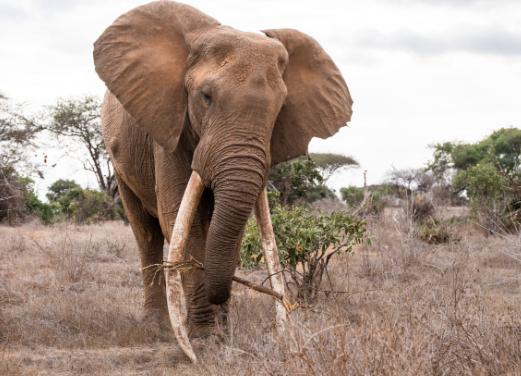
Understanding elephant feeding behavior during dry seasons is crucial for wildlife enthusiasts and conservationists alike. As habitats shift and resources become scarce, elephants adapt their feeding habits to survive. This post will explore their feeding strategies and the factors influencing their behavior during these challenging times.
1. Resource Availability and Spatial Movement
During dry seasons, the availability of food and water for elephants significantly declines. With decreasing vegetation and diminishing water sources, elephants are forced to roam larger distances in search of sustenance. They rely on their incredible memory to recall locations of past food and water sources, which may involve journeys of several kilometers across harsh terrains.
The need to travel longer distances impacts their daily routines and social structures. Herds might split to find resources more efficiently, and matriarchs often lead them while making decisions based on past experiences. Consequently, younger elephants learn which areas are most fruitful, perpetuating an essential survival skill within these majestic creatures.
-
- Encourage local conservation programs to monitor resource availability.
-
- Support wildlife corridors that facilitate elephant movement.
-
- Educate communities on the importance of preserving water sources.
-
- Participate in initiatives to plant drought-resistant vegetation.
2. Dietary Adjustments and Nutritional Needs
Elephants are herbivores with a notoriously varied diet. During dry seasons, however, their access to tender grasses and leafy vegetation is drastically reduced. As a result, they often resort to consuming tougher, less nutritious materials like tree bark, roots, and dry leaves. This dietary shift can lead to nutritional deficiencies, impacting their health and reproductive success.
Despite these challenges, elephants are adaptive eaters. They may dig for moisture-rich roots or knock down trees to access fresh bark, showcasing their strength and intelligence. Nutritional needs also change during this time, with females needing more nourishment for gestation and lactation while males exhibit increased foraging behavior to maintain energy levels.
-
- Document areas where elephants frequently feed during dry seasons.
-
- Research traditional diets to identify nutritional needs.
-
- Utilize GPS technology to track dietary habits over time.
-
- Promote studies on the nutritional impact of dry season diets.
3. Social Dynamics and Cooperative Behavior
Elephants are highly social animals, and their feeding behavior during dry seasons reflects their intricate social structures. They often work cooperatively to locate food and water. For instance, matriarchs may guide the herd to previously identified foraging sites, demonstrating the importance of leadership and experience within the group.
This cooperative behavior can also surface in water-sourcing efforts. Groups might collaborate to dig up dry riverbeds or find hidden water holes, showcasing their resourcefulness. Additionally, younger elephants observe and learn from their elders, ensuring that these vital skills are passed down through generations, which is vital for their long-term survival in changing environments.
-
- Encourage educational programs about social behavior in elephants.
-
- Support research projects focusing on elephants’ cooperative feeding habits.
-
- Promote awareness about the role of matriarchs in herds.
-
- Engage communities in protective measures for elephants’ social structures.
4. Impact of Climate Change on Feeding Behavior
As climate change continues to affect global temperatures and rainfall patterns, elephants are faced with increasingly unpredictable dry seasons. Many habitats are undergoing significant transformations that limit food and water availability. This unpredictability can force elephants to adapt their feeding behavior, which may lead to conflicts with human populations as elephants venture into agricultural lands searching for food.
To mitigate these effects, it is essential to understand how elephants adjust to changing climates. For instance, some elephants have begun exhibiting migratory patterns that travel longer distances in their search for sustenance, leading to increased stress and challenges for conservationists. Additionally, monitoring these shifts can help to devise strategies for coexistence and preventing human-elephant conflicts.
-
- Monitor changing weather patterns and their effects on habitats.
-
- Advocate for community-based conservation efforts.
-
- Support policies aimed at climate resilience in wildlife habitats.
-
- Educate the public on the intersection of climate change and wildlife behavior.
5. Conservation Efforts and Community Involvement
Conservationists and local communities play an essential role in ensuring elephants have the resources they need during dry seasons. Initiatives like waterhole restoration and vegetation planting can help maintain a sustainable environment for these magnificent creatures. Community involvement is particularly crucial, as local people can educate themselves about the importance of elephants in their ecosystems and foster a sense of stewardship over natural resources.
Furthermore, numerous organizations aim to mitigate human-elephant conflicts, which often arise when food becomes scarce. By fostering coexistence strategies, such as building barriers around crops and providing alternative food sources, communities can protect their livelihoods while allowing elephants to thrive in their natural habitats.
-
- Get involved with local conservation groups to support elephant protection.
-
- Participate in workshops about human-wildlife coexistence strategies.
-
- Donate to organizations focusing on elephant habitat restoration.
-
- Advocate for sustainable agricultural practices that protect wildlife.
In conclusion, understanding elephant feeding behavior during dry seasons is vital for ensuring the survival of these magnificent creatures. By taking actionable steps toward conservation and community involvement, we can all contribute to protecting elephants and their natural habitats. Now is the time to act—consider engaging with local conservation initiatives or supporting research that benefits elephant populations worldwide.