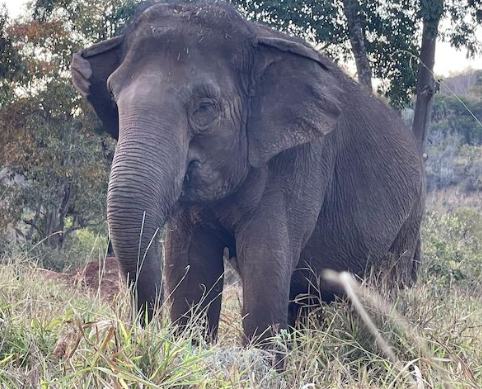
Elephants are magnificent creatures known for their intelligence, social behaviors, and strong emotional bonds. One fascinating aspect of their behavior is how they react to thunderstorms and extreme weather. These reactions are not merely instinctual; they reveal their ability to sense changes in their environment, demonstrating a remarkable level of awareness and adaptation.
1. Sensing the Storm
Elephants possess an incredible ability to detect impending storms using their keen senses. They can sense the changes in temperature, humidity, and even the electrical charges in the air that precede a thunderstorm. This early warning system enables them to make decisions about seeking shelter or moving to safer areas. For example, elephants may start to gather together in herds prior to a storm, displaying a sense of urgency that reflects their understanding of the danger approaching.
This remarkable sensitivity is complemented by their social dynamics. Elephants often communicate with one another through vocalizations and body language, which can include rumbling calls, trumpeting, or even physical touch. When they sense a storm, older, more experienced elephants may guide the younger ones to safer locations, showcasing their social structure and cooperation. This sense of community helps ensure the safety of the herd during adverse weather conditions.
-
- Observe animal behavior before storms.
-
- Look for signs of herd movement towards safer areas.
-
- Pay attention to changes in vocalizations and body language.
-
- Study regional weather patterns in relation to elephant behavior.
2. Behavioral Changes During Thunderstorms
During thunderstorms, elephants exhibit a range of behaviors that highlight their emotional responses to extreme weather. Many elephants become agitated or restless, displaying behaviors such as pacing or increased vocalization. The loud claps of thunder and the bright flashes of lightning can be incredibly alarming for these large mammals, prompting them to seek each other out for comfort and safety. Some elephants may even form tighter bonds with one another during these stressful times.
Interestingly, while some elephants may react with anxiety, others exhibit curiosity or playfulness in response to rain. Young elephants, in particular, have been observed playing in puddles or engaging in social activities despite the thunder over their heads. This mix of fear and playfulness reflects the complexities of their emotional landscape. It shows that while they are aware of the dangers of a storm, they still find ways to enjoy the moment.
-
- Monitor signs of stress among elephants during storms.
-
- Encourage safe spaces for elephants to retreat to.
-
- Provide enrichment activities to reduce anxiety.
-
- Limit human interference during bad weather to minimize stress.
3. Strategies for Survival
Given their intelligence and adaptability, elephants employ several strategies to navigate their environment during extreme weather. One crucial strategy is migration. Many elephant herds will migrate to areas that are less prone to severe weather, utilizing their knowledge of seasonal patterns and geographical features. This ability to adapt their movement patterns to avoid thunderstorms showcases their impressive survival skills.
Another survival strategy involves the use of natural shelters. Elephants often seek out dense forests or large bushes to shield themselves from rain and strong winds. These shelters not only provide physical protection but also help them conserve body heat and comfort in extreme temperatures. It’s important for wildlife conservationists to keep this behavior in mind when assessing their habitats and ensuring that key areas are preserved for these massive creatures.
-
- Research local migration patterns of elephants.
-
- Identify important natural shelters in elephant habitats.
-
- Develop conservation efforts to protect migration routes.
-
- Implement monitoring systems for weather impacts on elephant populations.
4. The Impact of Human Activities
Human activities can significantly impact elephant behavior during thunderstorms and other extreme weather events. Deforestation, habitat fragmentation, and urbanization can limit the available safe spaces for elephants to take refuge. As their natural habitats become compromised, elephants can find themselves more exposed to the elements, resulting in increased stress and potential danger during inclement weather.
Moreover, human-generated noise pollution can exacerbate stress levels during thunderstorms. The sounds of construction, traffic, and other urban activities can overwhelm elephants, making them more agitated when coupled with the natural sounds of thunder. This complex interaction underscores the need for responsible land use and wildlife management practices to mitigate these adverse effects on elephants.
-
- Advocate for sustainable land use projects.
-
- Support policies aimed at habitat preservation.
-
- Raise awareness about the effects of urbanization on wildlife.
-
- Participate in conservation programs that protect natural habitats.
In conclusion, elephants exhibit fascinating reactions to thunderstorms and extreme weather, showcasing their intelligence and adaptability. Understanding these behaviors not only enriches our knowledge of these incredible animals but also emphasizes the importance of protecting their habitats. Whether you’re a wildlife enthusiast, conservationist, or simply curious, taking action to support elephant preservation can make a significant difference in their lives.