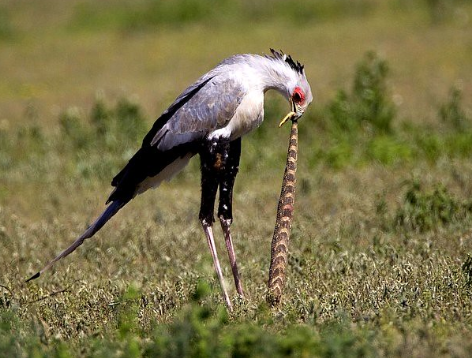
The Secretary Bird is a fascinating bird of prey that has captivated wildlife enthusiasts around the world, particularly for its unique hunting style. Found predominantly in the African savannas, this striking bird is renowned for its incredible ability to hunt snakes, making it an essential part of its ecosystem. Understanding the hunting techniques and behaviors of the Secretary Bird can deepen our appreciation for this remarkable species.
1. The Unique Anatomy of the Secretary Bird
The Secretary Bird, or Sagittarius serpentarius, is easily identifiable thanks to its long legs and distinctive crest of feathers that resemble quills. These adaptations are not just for show; they play a crucial role in the bird’s hunting strategy. With legs that can reach 1.2 meters in height, Secretary Birds possess long toes that help them to manage rough terrain while keeping a keen eye out for their slithering prey.
Additionally, their excellent vision is complemented by a keen sense of timing, enabling them to strike with precision. Unlike many other birds of prey, the Secretary Bird hunts on foot, scanning the ground for snakes while walking swiftly across the savanna. Its light weight allows it to move quickly, making split-second decisions critical during a hunt.
-
- Observe the Secretary Bird’s body language when hunting.
-
- Look for it in open grassy areas in Africa.
-
- Note how it uses its height to survey its surroundings.
-
- Understand its preference for certain snake species.
2. Hunting Techniques and Strategies
When hunting snakes, the Secretary Bird employs a series of distinct techniques that highlight its adaptability. One common method is a quick, repetitive stomping motion, which can disorient or even injure snakes hiding in tall grass. This tactic effectively reveals snakes that might otherwise remain concealed, making them easier to catch.
Once the snake is startled, the Secretary Bird uses its swift feet to deliver a precise, fatal blow. This capability is particularly advantageous when targeting venomous species, as the bird can quickly maneuver to avoid bites. The speed and accuracy of its strikes are not only impressive but critical for its survival in the wild.
-
- Watch for the bird’s unique stomping behavior in action.
-
- Identify different snake species commonly hunted by Secretary Birds.
-
- Note how climate and seasonal changes affect hunting success.
-
- Learn about the bird’s preferred hunting times, usually early dawn or late afternoon.
3. The Role of Secretary Birds in Ecosystems
Secretary Birds play a vital role in their ecosystems by controlling snake populations and thus maintaining the balance within their habitats. By preying on various snake species, they contribute to a healthy environment where other wildlife can thrive. Their hunting habits discourage overpopulation and promote biodiversity, which is essential for the health of the savanna ecosystem.
Moreover, Secretary Birds serve as indicators of environmental health. A thriving population of Secretary Birds typically indicates a stable ecosystem, while declining numbers can signal habitat destruction or imbalances. Conservation efforts focusing on habitat preservation help ensure that these magnificent birds continue to flourish in their natural environments.
-
- Support wildlife conservation organizations working to preserve African savannas.
-
- Educate others about the ecological importance of Secretary Birds.
-
- Participate in bird-watching and local wildlife surveys.
-
- Stay informed about threats to their habitats, such as agriculture and urbanization.
In conclusion, the Secretary Bird is a remarkable species with unique adaptations and hunting techniques that make it a master of its environment. Understanding its role in the ecosystem enriches our appreciation for wildlife and the delicate balance of nature. By taking action to protect their habitats, we can ensure these captivating birds continue to thrive for generations to come.