The Andean condor is one of the largest flying birds in the world, renowned for its majestic wingspan and impressive flight. Living high in the Andes mountains, these birds are not just symbols of freedom but also play a critical role in their ecosystem.
1. The Anatomy of the Andean Condor
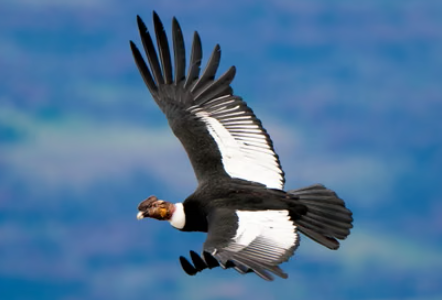
The Andean condor boasts an impressive wingspan that can reach up to 10.5 feet, making it the largest bird of flight by wingspan. Its powerful wings allow it to soar effortlessly in the high-altitude air of the Andes, often reaching elevations of around 15,000 feet. The condor’s feathers are primarily black, with distinctive white patches on their wings, which can be easily recognized and help them stand out against the backdrop of the mountains.
This bird is equipped with strong talons and a heavy beak designed for scavenging. Unlike many raptors, the Andean condor does not have a strong sense of smell; instead, it relies on its keen eyesight to spot food from great distances. However, they are highly social birds and can often be seen flying in groups, which assists them in finding carrion.
-
- Learn to recognize unique features: Long wings and feathery necks.
-
- Observe a condor’s flight: Look for soaring patterns to identify them.
-
- Understand their diet: Primarily scavengers, feeding on dead animals.
-
- Know their habitat: High-altitude Andean regions.
2. Habitat and Range of the Andean Condor
Andean condors inhabit a broad range that includes the Andes mountain range through countries like Venezuela, Colombia, Ecuador, Peru, Bolivia, Chile, and Argentina. They prefer open landscapes with rocky cliffs and thermals, which provide the lift necessary for effortless soaring. The conditions high in the mountains are not just perfect for their flight; they also support a variety of prey animals that form part of their diet.
This majestic bird has adapted well to the harsh conditions of its habitat, with its feathers providing insulation against the cold. Mating pairs create their nests on inaccessible ledges, often in old caves or crevices, safeguarding their young from potential predators. They tend to live in the same area throughout their lifespan, making them incredibly loyal to their environment.
-
- Explore various regions: Nest in cliffs or open landscapes away from human disturbance.
-
- Monitor weather conditions: Understanding the habitat can help in conservation efforts.
-
- Appreciate their diet: Keep an eye out for carrion near their nesting sites.
-
- Advocate for conservation: Participate in local conservation efforts.
3. Conservation Status and Threats
Despite being a symbol of the Andes, the Andean condor faces significant threats, primarily from habitat destruction, poisoning, and hunting. Pollution, particularly lead from hunting ammunition, has led to a decline in their population. Conservationists are working tirelessly to protect their habitats and reduce human-induced threats.
Organizations focused on wildlife preservation are conducting breeding programs and educational campaigns to raise awareness about the importance of this species. Community involvement is essential, as it takes efforts from local populations to reduce pollution and ensure safe environments for these magnificent birds. The International Union for Conservation of Nature (IUCN) has listed the Andean condor as “Near Threatened,” emphasizing the need for immediate action.
-
- Support local conservation programs: Join or donate to organizations protecting wildlife.
-
- Educate others: Share information about the threats condors face.
-
- Minimize pollutants: Use non-lead hunting ammunition.
-
- Participate in habitat clean-up: Volunteer for local environmental groups.
To conclude, the Andean condor is more than just an impressive sight in the skies; it is a vital part of our ecosystem. By understanding its habits, habitat, and the threats it faces, you can contribute to conserving this majestic bird. Whether you are an avid bird watcher or a concerned citizen, there are numerous ways to take action and support the conservation of the Andean condor.