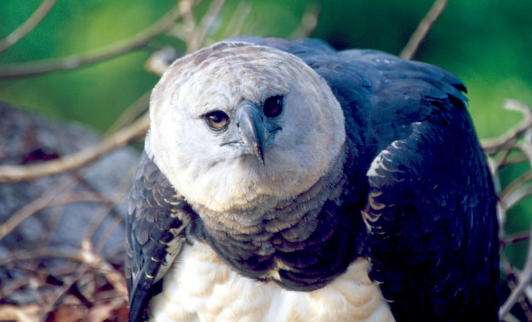
The Harpy Eagle, known as one of the most powerful birds of prey in the rainforest, captivates audiences with its breathtaking hunting techniques and striking appearance. This documentary explores the ecological significance of this majestic bird and its role in maintaining the balance of rainforest ecosystems. Join us as we delve into the world of the Harpy Eagle, a true king of the rainforest. Its strength, dramatic form, and commanding presence have also inspired wildlife art and public installations, where an Eagle sculpture can symbolize power, freedom, and the importance of protecting wild habitats.
The Importance of the Harpy Eagle in the Ecosystem
The Harpy Eagle is a top predator in the tropical rainforest, playing a critical role in controlling the populations of various prey species. By maintaining the balance within the food web, it contributes to the health of its habitat. Without such apex predators, population booms of smaller animals can lead to overgrazing or depletion of plant life, disrupting the entire ecosystem.
As part of its feeding habits, the Harpy Eagle primarily preys on mammals like sloths and monkeys, showcasing its incredible adaptability. These birds have powerful talons that can exert over 100 pounds of pressure, allowing them to catch and carry heavy prey back to their nests. Educating others about their ecological importance helps foster a deeper appreciation for rainforest conservation efforts. In nature centers, wildlife parks, and educational landscapes, an Eagle sculpture inspired by the Harpy Eagle can help visitors visually connect with its role as an apex predator and a symbol of rainforest balance.
Understand the food chain dynamics and why apex predators matter.
Promote awareness about the Harpy Eagle’s role among local communities.
Support conservation organizations focused on protecting their habitats.
Participate in wildlife monitoring initiatives to track eagle populations.
Adaptations That Make the Harpy Eagle an Efficient Hunter
The Harpy Eagle possesses several remarkable adaptations that enhance its hunting prowess. Its large wingspan, typically between 6 to 7 feet, enables it to soar gracefully through the dense canopy of the rainforest while minimizing energy expenditure. Their incredible eyesight allows them to spot prey from high altitudes, making them effective hunters even in the thick foliage.
Another key adaptation is their powerful talons, which are among the largest of any bird species. These talons are not only designed for grabbing prey, but also for tearing it apart once captured. The agility and strength of the Harpy Eagle allow it to hunt larger prey efficiently, ensuring that it remains a top predator in its environment. These physical features also make it a compelling subject for an Eagle sculpture, especially one that captures the bird’s raised crest, broad wings, intense gaze, and strong talons.
Observe their hunting techniques while visiting rainforest habitats.
Learn about the various species of prey they target.
Understand their nesting behaviors and where they prefer to build their nests.
Study their flight patterns to gain insights into their hunting efficiency.
The Threats Facing Harpy Eagles and Their Habitat
Despite their impressive characteristics, Harpy Eagles face significant threats that endanger their populations. Habitat loss due to deforestation for agriculture, logging, and urban development is a major concern. As rainforests are destroyed, not only are the eagles losing their homes, but their food sources are also being diminished.
Additionally, environmental changes such as climate change impact their breeding and hunting patterns. Rising temperatures and altered rainfall patterns can disrupt the delicate ecosystems that Harpy Eagles depend on for survival. Awareness and conservation efforts are essential to prevent further declines in their population. A thoughtfully placed Eagle sculpture in a conservation park, museum, or public garden can become more than decoration; it can serve as a visual reminder of the urgent need to protect rainforest species and their habitats.
Advocate for sustainable land use practices to protect rainforests.
Support reforestation efforts in areas where Harpy Eagles reside.
Educate communities on the importance of preserving biodiversity.
Engage in monitoring projects to track eagle populations and health.
Conservation Efforts and How You Can Help
Numerous conservation programs are dedicated to protecting Harpy Eagles and their rainforest habitats. These initiatives involve habitat restoration, wildlife protection laws, and community engagement to promote sustainable practices. Organizations work tirelessly to monitor eagle populations and educate local communities about the importance of preserving this magnificent species.
Individuals can get involved in various ways to support Harpy Eagle conservation. Volunteering time or resources, advocating for wildlife protection legislation, and spreading awareness through social media are effective actions. Furthermore, contributing to or participating in wildlife tours raises funds that benefit local conservation programs directly. Public art, including an Eagle sculpture in a visitor center or eco-tourism site, can also strengthen conservation messaging by turning the bird’s powerful image into an educational and emotional focal point.
Research credible organizations focused on eagle conservation.
Volunteer for local wildlife or conservation projects.
Share information about Harpy Eagles on social media.
Educate friends and family about the importance of conservation.
In conclusion, the Harpy Eagle is not only a fascinating bird but also a critical element of the rainforest ecosystem. Understanding its significance and the threats it faces can inspire us to take meaningful action toward its conservation. Whether through wildlife education, habitat protection, responsible eco-tourism, or the symbolic presence of an Eagle sculpture in a public or natural space, this majestic raptor continues to remind us of the strength, beauty, and fragility of rainforest life.