The Fundamental Differences Between Three Mythical Horse-like Creatures
In fantasy animal imagery, unicorn, pegasus, and alicorn are often discussed together, but they are not the same creature. Unicorn usually refers to a unicorn, resembling a horse with a single horn on its forehead; Pegasus refers to a winged horse, most notably possessing a pair of wings; Alicorn can be understood as a “horned and winged horse-like creature,” combining the characteristics of a unicorn and a winged horse.
Simply put, the core of unicorn is the “horn,” the core of pegasus is the “wings,” and the core of alicorn is the simultaneous presence of horn and wings. All three images are based on horses, but their symbolic meanings and visual focuses differ.
Unicorn: A Symbol of Purity and Mystery
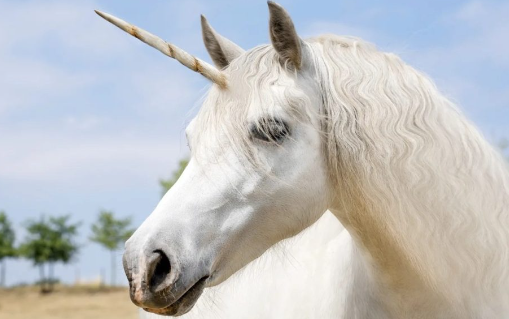
The most common image of the unicorn is an elegant white horse with a spiral horn on its forehead. In traditional legends, the unicorn is often seen as a symbol of purity, nobility, and unapproachability. It typically inhabits forests, springs, or quiet natural environments, giving it a mysterious yet gentle feel.
From an animalistic perspective, the unicorn is closer to a terrestrial creature. Its power comes from its running, posture, and the mythical aura evoked by its single horn. Compared to the pegasus’s ability to fly, the unicorn emphasizes its inner qualities, such as purity, healing, protection, and spiritual strength.
Pegasus: A Symbol of Freedom and Speed
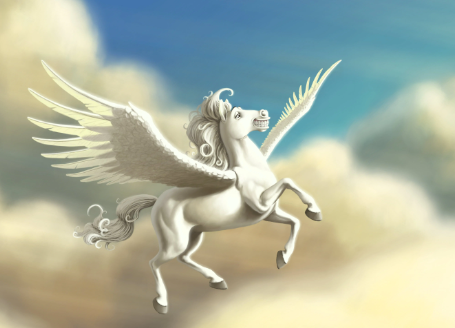
Pegasus originates from ancient Greek mythology and is usually depicted as a winged horse. Its most prominent feature is its ability to fly, thus often associated with the sky, freedom, speed, and heroic adventure. The beauty of the pegasus leans more towards dynamism: spreading its wings, leaping, and soaring through the clouds—these postures imbue it with power and a sense of space.
If the unicorn is more like a mysterious presence in the forest, then the pegasus is more like a symbol of freedom in the sky. Its focus is not on its single horn or magic, but on its ability to fly and its noble posture. For those who appreciate the dynamic beauty of animals, the pegasus usually has a stronger visual impact.
Alicorn: A Combination of Horn and Wings
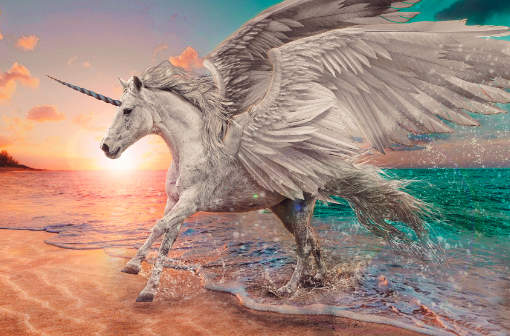
The alicorn is the most easily misunderstood of the three. Many people simply call it a “flying unicorn,” which, while intuitive, is inaccurate. The alicorn possesses both the unicorn’s horn and the pegasus’ wings, thus embodying multiple symbols such as purity, mystery, freedom, and power.
In modern fantasy culture, the alicorn is often portrayed as a rarer and more powerful being. It can run on the ground and fly in the sky, its image richer than a simple unicorn or pegasus. Whether in illustrations, story characters, or artistic expressions like alicorn sculpture, the alicorn is well-suited to conveying a dreamlike, elegant, and surreal quality.
How to Quickly Distinguish Them
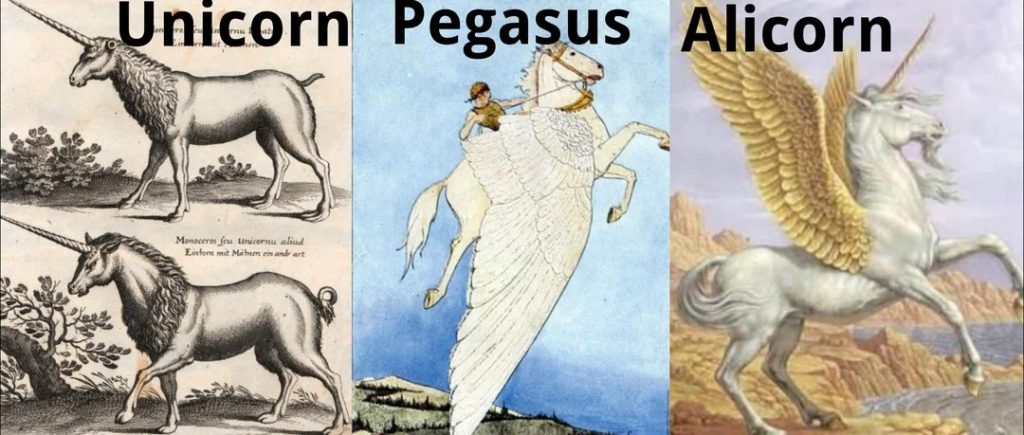
Distinguishing these three creatures is actually quite simple: look at the head and back. A unicorn has only a horn and no wings; a pegasus has wings and no horn; and an alicorn has both horn and wings.
They are all mythical horse-like creatures, but each represents a different quality. Unicorns are quieter and more mysterious, pegasus are more free and unrestrained, while alicorns are more complete, more fantastical, and closer to the high-level mythical creatures in modern fantasy worlds. Understanding these differences allows for a more accurate assessment of the identity and symbolic meaning of related images or story characters.