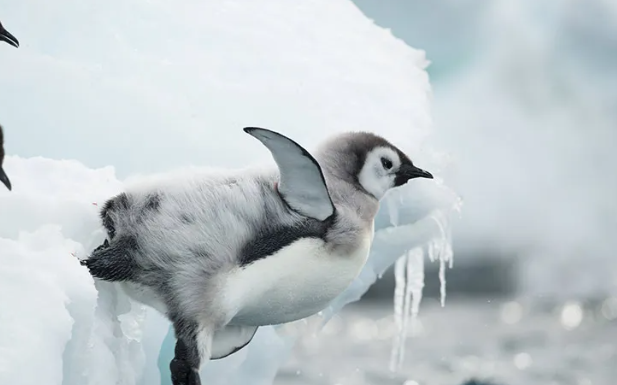
Emperor penguins are renowned for their remarkable abilities to survive the harsh Antarctic winter. These fascinating creatures demonstrate incredible resilience through unique adaptations and social behaviors that ensure their survival in one of the most inhospitable environments on Earth.
1. The Importance of Breeding and Nesting Locations
During the Antarctic winter, breeding is vital for emperor penguins. They start the breeding season in May, where females lay a single egg and transfer it to the males for incubation. This transfer is crucial; the females then head to the sea to forage, while the males endure extreme cold, balancing the egg on their feet and covering it with a flap of skin called a brood pouch. This unique adaptation allows them to keep the egg warm, with temperatures often plunging below -60°C (-76°F).
Choosing the right nesting location is also essential for survival. While nesting on the ice, emperors face fierce winds and freezing temperatures. They prefer stable, flat ice areas that reduce the risk of eggs being exposed or damaged. Additionally, nesting in a tight group enhances their survival by creating microclimates that offer mutual warmth.
-
- Ensure proper nesting by selecting stable, flat surfaces.
-
- Maintain tight groups for warmth and protection.
-
- Rotate responsibilities between males and females for effective foraging.
-
- Monitor egg incubation closely to avoid exposure.
2. Temperature Regulation Strategies
Emperor penguins have evolved several remarkable adaptations for temperature regulation that are vital for survival in the frigid Antarctic winter. Their bodies are covered with a thick layer of blubber and dense feathers that provide insulation against the cold. They also have a specialized circulatory system that minimizes heat loss from their extremities by warming up blood before it returns to the body core.
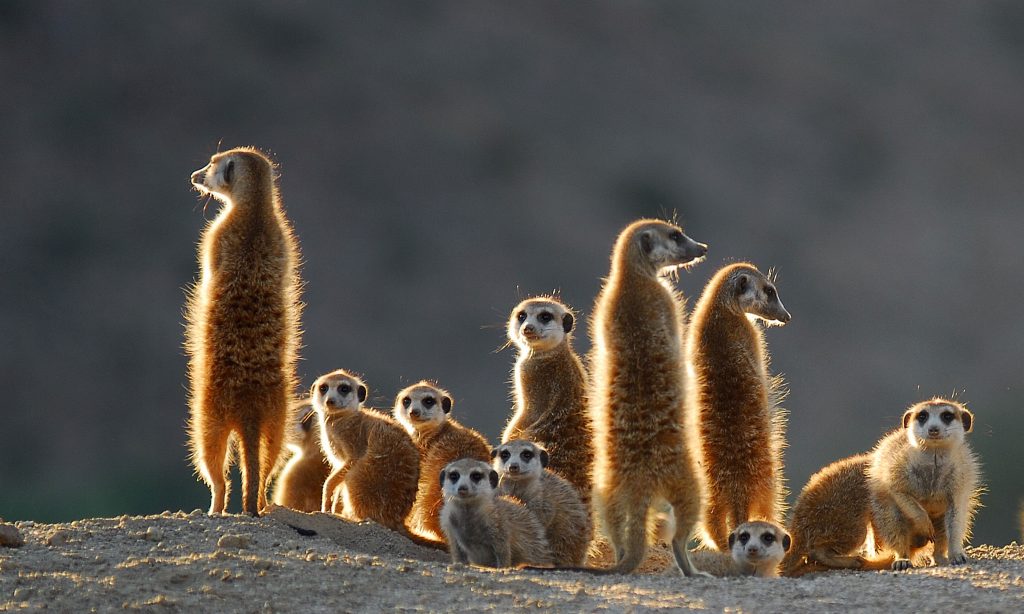
In addition to physical adaptations, social interactions play an essential role in maintaining body heat. During harsh weather, these penguins huddle together in large groups, sometimes numbering in the thousands. This behavior not only conserves heat but also creates a complex social dynamic where individual penguins rotate positions—moving from the cold exterior to the warm center of the huddle—maximizing the collective warmth.
-
- Utilize blubber and feathers for insulation against cold.
-
- Huddle with fellow penguins for heat retention.
-
- Engage in position rotation to share warmth within the group.
-
- Limit activity during extreme weather to conserve energy.
3. Nutritional Strategies and Foraging Techniques
Surviving the Antarctic winter requires that emperor penguins efficiently manage their nutrition. While the males incubate eggs, they rely on fat reserves accumulated before the winter. Once the chicks hatch, females must return quickly to share their foraging findings. They dive deep, sometimes reaching depths of over 500 meters (1,640 feet), in search of fish, krill, and squid. These high-protein diets are essential for both their energy needs and growing chicks.
The ability to dive and forage effectively is central to their survival strategy. Penguin species use sophisticated techniques like porpoising—breaking the water’s surface as they swim to minimize energy expenditure. They also take advantage of other species’ knowledge about fish movements, allowing them to maximize their foraging success by following other sea creatures.
-
- Store enough fat reserves before winter for sustained energy.
-
- Dive deep to find nutritious food sources like fish and squid.
-
- Practice porpoising to save energy during long swims.
-
- Observe the behavior of other marine animals to locate food more effectively.
4. Coping with Predators and Environmental Challenges
While emperors have few natural predators as adults, they need to stay vigilant against threats such as leopard seals and skuas, especially when they return from foraging with chicks. Established nesting sites offer some protection, but vulnerability remains high during the early stages of chick development. Emperors have developed vigilance strategies by maintaining watch members who alert the huddle to potential dangers.
Environmental challenges also pose significant risks. The changing climate affects ice stability, leading to uncertainties in nesting and foraging grounds. Heavy snowfalls can bury eggs, while melting ice can lead to decreased access to traditional foraging zones. Thus, adapting to the changing environment is crucial for their long-term existence.
-
- Implement vigilant monitoring of surroundings to spot potential threats.
-
- Choose established nesting sites for better protection.
-
- Adapt nesting strategies as environmental conditions change.
-
- Work as a team to fend off predators when necessary.
Understanding emperor penguins and their unique survival strategies in Antarctica offers us a glimpse into the resilience of nature. Their adaptations not only highlight their tenacity but also raise awareness about the impacts of climate change on these majestic creatures. Observing and protecting their habitat can ensure that future generations continue to marvel at these remarkable birds.