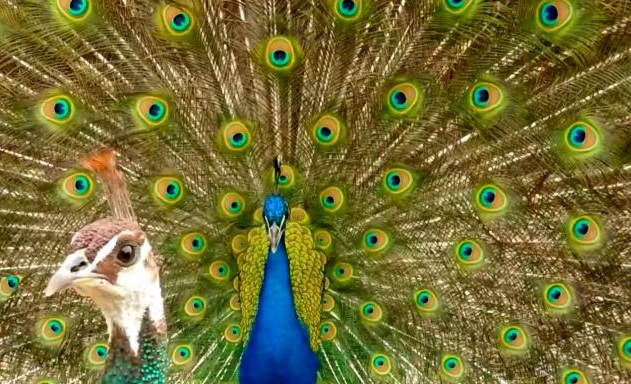
Peacocks are not just symbols of beauty; they exhibit some of the most elaborate mating displays in the animal kingdom. Their vibrant feathers play a crucial role in attracting potential mates and facilitating reproductive success. Their elegant posture, fan-shaped tail, and vivid colors have also inspired garden art and decorative design, where a peacock statue can symbolize beauty, pride, elegance, and the splendor of nature. This post will explore the intricate world of peacock mating rituals and the significance of their colorful plumage.
The Significance of Colorful Feathers
The brilliant colors of a peacock’s feathers serve as important indicators of health and vitality. The iridescent blue and green plumage is not merely for aesthetic appeal; it reflects the bird’s genetic quality and fitness. Females, or peahens, often choose mates based on the vividness and condition of their feathers, opting for those who display more vibrant colors. This preference ultimately leads to the survival of stronger genes in future generations.
Many studies have shown a direct correlation between feather condition and a peacock’s overall health. For example, if a peacock has dull feathers, it may be a sign of poor health or insufficient nutrition. In contrast, a peacock with stunningly colorful feathers is typically in excellent condition, making them more attractive to females. This process of selection helps ensure that only the most fit males pass on their genes. A peacock statue designed with a fully opened tail can visually echo this natural display, capturing the ornamental beauty that makes peacocks so recognizable.
- Observe the brightness of the feathers when evaluating a peacock’s health.
- Note the age and season; younger males often have brighter plumage.
- Look for signs of wear or damage to the feathers.
- Understand the impact of diet and habitat on feather quality.
Mating Displays: A Show of Strength and Attraction
The mating displays of male peacocks are a remarkable performance designed to showcase their beauty and vigor. During courtship, a peacock will spread its tail feathers into a fan, creating a stunning display that can reach up to six feet in width. This display is not only visually striking but is also accompanied by a series of calls and movements intended to capture the attention of nearby peahens.
This elaborate display serves a dual purpose; it is both an aesthetic appeal and a physical challenge. By fanning out their feathers, peacocks display their strength and stamina. A peahen is more inclined to choose a male that can maintain this display for an extended period. It’s all about demonstrating not just beauty but also fitness, making these displays crucial in the mating process. In gardens, parks, and resort landscapes, a peacock statue with spread feathers can mirror this iconic courtship pose and add a graceful wildlife-inspired focal point.
- Look for peacocks during mating season to observe their displays.
- Take note of the variety of calls and moves utilized during courtship.
- Pay attention to the peahen’s response; interest is often indicated by movement or vocalization.
- Record your observations to understand the dynamics of their mating rituals.
The Role of Environment in Mating Success
The environment plays a vital role in the mating success of peacocks. Different habitats can affect both the display of feathers and the ability to attract mates. For instance, in areas where vegetation is dense, a peacock’s vibrant display may be less visible, leading to fewer mating opportunities. Conversely, in open habitats, their colors can shine more brightly, garnering more attention from potential partners.
In addition to visibility, factors such as temperature and humidity can influence feather condition and, subsequently, mating success. Male peacocks in optimal conditions will have better feather quality, which enhances their chances of attracting a mate. Thus, the habitat not only influences their visibility but also the overall health and presentation of their feathers. A peacock statue placed in an open courtyard or landscaped garden can highlight this connection between visibility, display, and visual impact, much like the bird’s natural behavior in open spaces.
- Provide a suitable habitat for peacocks to thrive and showcase their beauty.
- Avoid overcrowding, which can stress the birds and diminish their display potential.
- Ensure access to clean water and a balanced diet to maintain feather condition.
- Observe and note how different environments affect mating behavior.
Common Misconceptions About Peacock Behavior
Despite their flamboyant displays, many myths surround peacock behavior that can lead to misunderstandings. One common misconception is that all peacocks are aggressive when competing for mates. While they can exhibit competitive behavior, it is often more ritualized and non-violent. Males typically display through visual performance rather than physical confrontation.
Another misconception is that the most colorful peacocks are always the most successful in attracting mates. In reality, other factors such as temperament, health, and presentation skills also play significant roles. It is not just about having colorful feathers; the ability to effectively display them is equally important. This is why artistic representations, such as a peacock statue, often focus not only on color but also on posture, balance, and the elegant curve of the bird’s body.
- Educate yourself and others about the nuances of peacock behavior.
- Avoid assumptions based on appearance alone; consider varying factors.
- Observe interactions carefully to understand their social dynamics.
- Encourage discussions based on research rather than hearsay.
In conclusion, understanding the intricate behaviors associated with peacock mating displays and their colorful feathers opens up a fascinating view of nature’s complexities. Whether you’re a birdwatcher, a wildlife enthusiast, or simply curious, observe these magnificent creatures in their natural habitat. Your observations will deepen your appreciation of their beauty and the significance of their behaviors in the wild. Through natural study, garden design, and the decorative presence of a peacock statue, the elegance of this remarkable bird continues to inspire admiration.