The intelligence of birds often surprises those who take a closer look at their behaviors. Known for their problem-solving abilities and complex communication, some bird species exhibit remarkable cognitive skills that rival those of mammals. These abilities have also inspired wildlife art and educational displays, where a bird statue can symbolize observation, adaptability, freedom, and the hidden intelligence of avian life. This blog post explores the most intelligent birds and their fascinating problem-solving techniques.
The Corvids: Masters of Problem-Solving
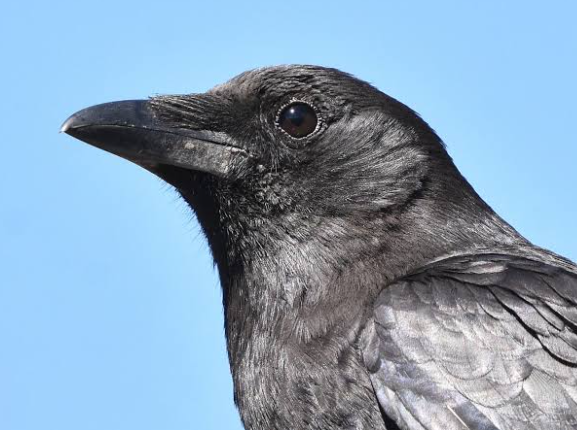
Corvids, which include crows, ravens, and magpies, are widely regarded as some of the smartest birds on the planet. Their problem-solving skills have been demonstrated through various studies, where they have shown the ability to use tools, remember human faces, and even exhibit planning abilities. For example, New Caledonian crows have been observed using sticks to extract insects from tree bark, a clear indication of their advanced cognitive abilities.
Moreover, corvids can solve complex puzzles that require multiple steps to achieve a goal. One famous experiment involved placing food inside a tube that could only be accessed through a series of intricate manipulations. The crows successfully navigated the challenge, not only demonstrating their intelligence but also their ability to think ahead and strategize. This level of thinking has led scientists to compare their problem-solving capabilities to that of a seven-year-old human child. A bird statue designed with an alert pose and sharp gaze can visually reflect the curiosity and watchfulness often associated with corvid intelligence.
- Observe corvids in your backyard to see if they demonstrate unique problem-solving strategies.
- Provide puzzles or manipulatives that challenge their cognitive skills.
- Research corvid behavior for deeper appreciation of their intelligence.
- Learn about the differences between various corvid species.
The African Grey Parrot: The Talkative Genius
The African Grey Parrot is famed not only for its ability to mimic human speech but also for its impressive problem-solving skills. These parrots have been shown to understand complex concepts such as numbers and colors. One classic study demonstrated that an African Grey named Alex could recognize different shapes and colors, categorize items, and even perform simple arithmetic, all while responding to questions with accuracy.
In addition to their vocal abilities, African Grey Parrots are adept at manipulating objects to achieve desires. They can unlock cages and solve mazes, showcasing their intelligence and adaptability. Their skills extend beyond mere mimicry; they have shown an understanding of social dynamics that involves complex communication and interaction, further solidifying their status as highly intelligent beings. In learning centers, aviaries, or themed gardens, a bird statue inspired by parrots can help draw attention to their expressive nature and remarkable mental abilities.
- Engage in interactive games with an African Grey to stimulate its intellect.
- Introduce new challenges regularly to keep them mentally sharp.
- Provide a variety of toys that stimulate problem-solving.
- Encourage social interaction to enhance their communication skills.
The Kea: The Alpine Trickster
Nestled in the mountainous regions of New Zealand, the Kea is known as one of the most playful and intelligent birds. Their curiosity often leads them to engage in activities that challenge their intellect and showcase their problem-solving skills. Keas have been observed opening car doors and raiding unattended backpacks, which illustrates both their intelligence and their mischievous nature.
Research has shown that Keas excel at collaboration and teamwork. They can work together to solve puzzles, often using trial-and-error methods to figure out how to access food or toys. This collective problem-solving behavior allows them to tackle tasks that would be difficult for a single individual. Their playful interaction with their environment offers unique insights into their cognitive abilities. A bird statue showing a lively or curious pose can echo the Kea’s playful personality and encourage viewers to appreciate birds as active thinkers, not just beautiful creatures.
- Visit a sanctuary or zoo where you can observe Keas in action.
- Use bird feeders that require some level of interaction to access food.
- Observe how they interact with one another to solve problems.
- Educate others about the ecological importance of Keas.
The Pigeon: Far More Than Meets the Eye
While commonly overlooked, pigeons possess remarkable intelligence that surprises many. Pigeons have excellent problem-solving abilities and are skilled navigators, being able to find their way home from great distances, a trait that showcases their mental mapping capabilities. Studies have shown that pigeons can recognize themselves in mirrors, a sign of self-awareness that is relatively rare in the animal kingdom.
Pigeons are also capable of learning complex tasks and can remember images for long periods. They have been trained to differentiate between paintings of specific artists, demonstrating not just memory but aesthetic appreciation. This cognitive versatility highlights why pigeons are often used in scientific research related to animal intelligence. In urban parks or public squares, a bird statue can remind people that even familiar city birds have complex behaviors worthy of attention and respect.
- Consider adopting pigeons and observe their problem-solving skills.
- Set up a maze and watch how they navigate their environment.
- Teach them basic tricks or tasks to enhance their cognitive abilities.
- Encourage environment exploration to stimulate their natural instincts.
In conclusion, the intelligence of birds like corvids, African grey parrots, keas, and pigeons opens up a fascinating world of cognitive capabilities. Understanding their problem-solving skills helps enhance our appreciation of the animal kingdom and can even inspire us to engage with these incredible creatures in meaningful ways. Through observation, education, conservation, and the symbolic presence of a bird statue in a meaningful space, we can better recognize the intelligence, adaptability, and beauty of birds in both wild and human-shaped environments.