Wind energy is a crucial component of sustainable development, but it poses unique challenges for wildlife, particularly raptors. As these magnificent birds of prey navigate their habitats, they often find themselves in conflict with wind turbine operations, leading to serious conservation concerns. Understanding the dynamics between raptors and wind turbines is essential for balancing renewable energy initiatives with wildlife protection.
1. Understanding Raptors and Their Habitats
Raptors, including eagles, hawks, and owls, play vital roles in maintaining ecological balance. These birds are not just skilled hunters; they also help manage rodent and pest populations. Raptors often prefer open spaces, such as grasslands and hills, which are also prime sites for wind farms. Knowing their breeding and migratory patterns can help in planning wind turbine placements to minimize impact.
Different species occupy different habitats, ranging from wetlands to mountainous regions. For example, the Golden Eagle is typically found in hilly or mountainous areas, whereas the Red-tailed Hawk thrives in open fields. Recognizing these preferences allows conservationists to project migration routes and breeding zones, informing decisions about where to situate wind turbines.
-
- Research local raptor species and their habitat preferences.
-
- Identify seasonal migration patterns in your area.
-
- Use maps or apps to track wildlife movements.
-
- Create conservation zones that protect vulnerable species.
2. Impact of Wind Turbines on Raptors
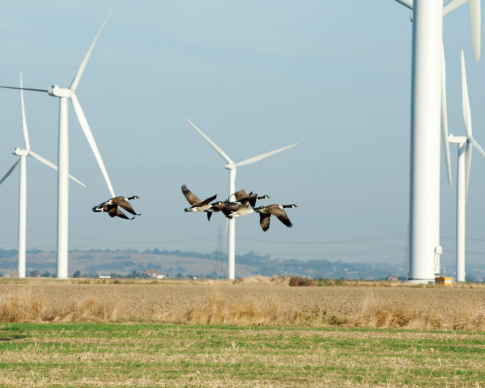
Wind turbines pose several risks to raptors, primarily through collision and habitat disruption. As raptors hunt or migrate, they may accidentally collide with turbine blades, leading to injury or death. Studies indicate that many raptor species, including the endangered California Condor, are particularly vulnerable in regions with large wind farms. Estimating bird fatalities helps researchers develop strategies to minimize these risks.
Moreover, the construction of wind farms alters the landscape, affecting the availability of prey and nesting sites for raptors. Habitat fragmentation can force birds to expand their search areas for food, exposing them to additional threats, such as increased human interaction and vehicle collisions. Planning and monitoring are essential to mitigate these adverse effects.
-
- Conduct thorough environmental assessments before turbine installation.
-
- Implement strategies like seasonal shutdowns during peak migration times.
-
- Encourage wildlife corridors to maintain safe passages.
-
- Regularly monitor raptor populations near wind farms.
3. Conservation Measures and Best Practices
To protect raptors, several conservation measures can be integrated into wind turbine operations. First, implementing “smart” technology, such as radar systems, can help monitor bird movements in real-time, enabling proactive measures to prevent collisions. Additionally, using turbine design strategies, like slower blade speeds, can reduce fatalities.
Community engagement plays a crucial role in conservation efforts. Raising awareness about the impacts of wind energy on raptors can lead to local advocacy for changes in wind farm operation practices. Programs aimed at educating the public can foster a culture of conservation and support for sustainable energy solutions that also respect wildlife.
-
- Integrate technology to monitor bird movements around wind farms.
-
- Use community education programs to raise awareness.
-
- Collaborate with wildlife organizations for ongoing research.
-
- Develop contingency plans for turbine operation during migration seasons.
4. Future Directions in Wind Energy and Wildlife Conservation
The future of renewable energy hinges on innovative approaches to mitigate wildlife impacts, particularly for raptors. As technology advances, adaptive management techniques—ensuring continual improvement of practices—should be adopted. This might include the use of closed-loop systems that control turbine operations based on real-time wildlife data.
Furthermore, increasing collaborations between energy companies, conservation groups, and governmental agencies can foster adaptive, eco-friendly strategies. Combining efforts may lead to the development of turbine designs that are less harmful to wildlife while still meeting energy needs. This partnership approach will be key to finding sustainable solutions for the future.
-
- Explore new turbine designs with built-in safety features.
-
- Invest in research on alternative energy sources that complement wind energy.
-
- Foster collaborations between energy companies and conservation groups.
-
- Advocate for policy changes that promote wildlife-friendly energy practices.
As we pursue renewable energy solutions, understanding the challenges posed to raptors is vital. By taking proactive measures, engaging communities, and fostering innovative collaborations, we can work toward a future where wind energy coexists harmoniously with wildlife. Consider consulting with professionals in the field to further explore conservation strategies and contribute to a more sustainable balance with nature.