Hawks are fascinating creatures, known for their keen eyesight and impressive hunting skills. Among their various habitats, open grasslands provide unique advantages for these birds of prey to thrive. In this blog post, we will explore how hawks hunt in these vast landscapes and the factors that contribute to their success.
1. The Hunting Techniques of Hawks
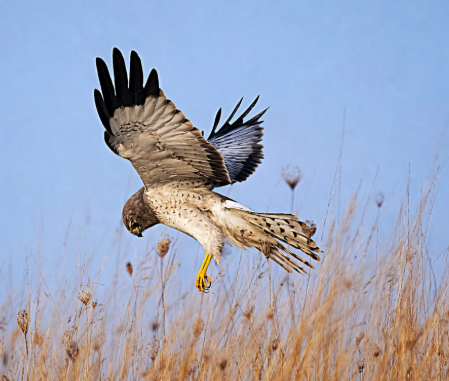
Hawks employ a variety of hunting techniques adapted to their environment. In open grasslands, they often use a method called ‘surveillance hunting.’ From a high perch—such as a tree branch or a utility pole—they can scan the landscape for signs of movement. Once they spot potential prey, their impressive speed and agility come into play as they launch into a swift dive.
Another common technique is ‘still hunting,’ where a hawk remains motionless, blending into its surroundings. This approach allows them to ambush unsuspecting animals, particularly small mammals like rodents, which are often hidden in tall grass. Both methods demonstrate the hawk’s ability to exploit their natural environment to maximize their hunting success.
-
- Identify common prey in your local grasslands.
-
- Observe different hunting techniques used by hawks.
-
- Look for hawks perching on high points during your nature walks.
-
- Consider the time of day when hawks are most active.
2. The Role of Vision and Adaptations
Hawks are equipped with extraordinary visual acuity, allowing them to spot prey from great distances. Their eyes are capable of detecting even the slightest movements in the grass below, which provides them a significant advantage in hunting. This near-precision in sight is due to the high density of photoreceptor cells in their retinas, enabling them to see at least eight times better than the average human.
Additionally, their aerodynamic body shape contributes greatly to their hunting success. The long wings and strong talons not only assist in swift flights but also ensure they can easily maneuver and snatch up prey. These adaptations make them well-suited to thrive in diverse environments, including the expansive grasslands.
-
- Watch for hawks’ flight patterns and changes in altitude.
-
- Take note of how they use their vision to locate prey.
-
- Consider visiting nature reserves where you might spot different hawk species.
-
- Learn about specific adaptations unique to your local hawk species.
3. Ecosystem Impact and Conservation
Hawks play an essential role in maintaining the health of ecosystems, particularly in open grasslands. As apex predators, they help control populations of small mammals and other prey species. This balance is crucial for the vitality of the ecosystem since overpopulation of prey can lead to degradation of vegetation and other wildlife habitats.
However, the presence of hawks in these environments is under threat due to habitat destruction, climate change, and human activity. Conservation efforts are paramount to ensure the survival of both hawks and their ecosystems. Community education and initiatives can enhance awareness of their importance, leading to better protection practices.
-
- Engage in local conservation programs focused on birds of prey.
-
- Educate yourself and others about the importance of hawks in the ecosystem.
-
- Participate in citizen science projects to monitor hawk populations.
-
- Advocate for responsible land use to protect hunting grounds.
4. Conclusion: Observing Hawks in Action
Hawks in open grasslands are not just majestic sights but vital components of their ecosystems. By understanding their hunting behaviors, adaptations, and the challenges they face, we can cultivate a greater appreciation for these incredible birds. So, grab your binoculars and venture out to observe these fascinating hunters in action while considering ways you can support their survival.