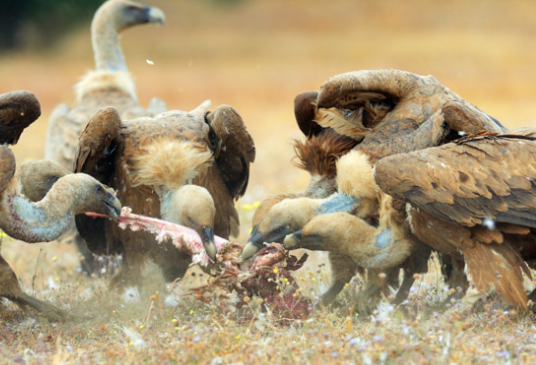
Vultures often get a bad rap; however, they play a crucial role in our ecosystem as nature’s cleanup crew. These remarkable birds are nature’s scavengers, feasting on dead animals and preventing the spread of disease. In this blog post, we will explore the vital functions that vultures perform in our environment, their unique adaptations, and how we can help conserve these essential creatures.
1. The Role of Vultures in Ecosystems
As scavengers, vultures contribute significantly to maintaining healthy ecosystems. They feed primarily on carrion, which helps to clean up the environment by consuming decaying animals. Thanks to their specialized diets, vultures can drastically reduce the risk of diseases that can spread from rotting carcasses; this is particularly crucial in areas with high wildlife populations. For example, in India, the decline of vulture populations led to an increase in rabies cases due to a rise in stray dog populations feeding on unconsumed carrion.
Moreover, vultures play a crucial part in nutrient cycling. Decomposing remains from dead animals release nutrients back into the soil, benefiting plant life. Their feeding habits can also influence prey populations by making way for new generations of animals to thrive. This keeps the ecosystem balanced and supports biodiversity in various habitats.
-
- Encourage diversity in local ecosystems by planting native plants.
-
- Support local wildlife conservation initiatives and programs.
-
- Practice responsible pet ownership, as stray animals can disrupt vulture habitats.
-
- Avoid using poisons that can inadvertently harm vultures.
2. Adaptations That Make Vultures Unique
Vultures are fascinating creatures, equipped with various adaptations that aid their scavenging lifestyle. For example, their exceptional sense of sight allows them to spot carrion from great heights. Unlike many birds, vultures rely mainly on their vision rather than their sense of smell to locate food. Some species can see up to three miles away and can even detect the beginnings of decay to target their meals quickly.
In addition to their keen eyesight, vultures possess strong digestive systems that enable them to consume rotting flesh without getting sick. Their stomachs have highly acidic environments, which kills off harmful bacteria and pathogens. This attribute not only protects vultures but also mitigates the spread of diseases in environments where they feed. They can also eat putrid meat that would be toxic to most other animals, thereby playing a unique role in the food chain.
-
- Observe vultures in their natural habitat to appreciate their hunting skills.
-
- Learn about local vulture species and their specific adaptations.
-
- Participate in birdwatching events focused on scavenger birds.
-
- Educate others about the importance of vultures in ecosystems.
3. The Decline of Vulture Populations and Conservation Efforts
Unfortunately, many vulture species around the world are experiencing dramatic population declines, primarily due to habitat loss, poisoning, and poaching. In some regions, livestock farmers use poisons to kill animals infected with disease; however, these toxins inadvertently poison vultures when they feed on the carcasses. For instance, the use of the anti-inflammatory drug diclofenac in livestock has resulted in massive vulture die-offs in India and Nepal, leading to their classification as critically endangered.
Conservation efforts are underway to protect these essential birds. Organizations worldwide are implementing habitat restoration projects, raising awareness, and enforcing stricter regulations concerning the use of harmful substances. In places like South Asia, designated ‘vulture-safe zones’ are established where animals are not treated with harmful substances, allowing vulture populations to recover. Together, we can support these initiatives and ensure vultures continue their crucial role in maintaining the health of our ecosystems.
-
- Get involved with local wildlife organizations to support conservation efforts.
-
- Spread awareness about the importance of vultures and their role in ecosystems.
-
- Participate in habitat restoration projects when possible.
-
- Advocate for the responsible use of veterinary drugs in agriculture.
In conclusion, vultures are indispensable players in our ecosystems, serving as nature’s cleanup crew. By understanding their roles and challenges, we can take actionable steps to protect these remarkable birds. Consider taking part in conservation efforts or educating yourself and others about the importance of vultures in maintaining healthy environments.