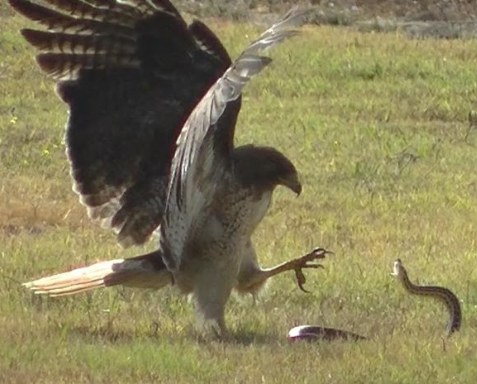
The dance of survival in the wild is a captivating spectacle, especially when it comes to birds of prey and snakes. Both are formidable hunters with unique adaptations that allow them to thrive in various habitats. This blog post delves into the fascinating dynamics between these two species, exploring their tactics, strengths, and the ecological roles they play. Their dramatic forms and survival strategies have also inspired wildlife art and public displays, where a birds of prey statue can symbolize power, precision, vigilance, and the balance of nature.
The Hunting Techniques of Birds of Prey
Birds of prey, also known as raptors, are equipped with keen eyesight and powerful talons that make them exceptional hunters. Their eyesight allows them to spot prey from high altitudes, often several miles away. For example, the golden eagle can see up to four times clearer than humans, helping it to locate small mammals even in dense vegetation.
Once they identify a target, raptors use different hunting methods based on their species and environment. Some, like the peregrine falcon, dive towards their prey at astonishing speeds, reaching over 240 miles per hour. Others, like the red-tailed hawk, prefer to soar high and then glide down on unsuspecting critters, using their incredible strength to grasp them with powerful talons. A birds of prey statue depicting an eagle, hawk, falcon, or owl in flight can visually capture this combination of speed, focus, and hunting power.
- Observe the hunting methods of local raptors in your area.
- Learn to identify different species and their unique adaptations.
- Enhance your birdwatching skills by investing in a good pair of binoculars.
- Respect their habitats and maintain a safe distance while observing.
The Stealthy Strategies of Snakes
Snakes, often perceived as stealthy ambushers, are masters of patience and disguise. They primarily rely on their coloration and patterns to blend into their surroundings, making them nearly invisible to both predators and prey. Many species, like the eastern diamondback rattlesnake, have intricate patterns that mimic the foliage of the environments they inhabit.
Unlike birds of prey, snakes employ various strategies when hunting. Some, like the boa constrictor, wrap around their prey and constrict it until it’s unable to breathe. Others, like the king cobra, use potent venom to immobilize their victims. Understanding these hunting techniques is essential, as they highlight the adaptive strategies that help snakes thrive in diverse ecosystems. In educational settings, pairing snake interpretation displays with a birds of prey statue can help visitors compare two very different predator strategies: aerial pursuit and ground-level ambush.
- Research local snake species to learn about their habits and habitats.
- Understand the importance of venom and its role in the snake’s survival.
- Keep a safe distance if you encounter snakes in the wild.
- Consider joining snake conservation programs to protect these vital creatures.
The Ecological Impact of Birds of Prey and Snakes
Both birds of prey and snakes play crucial roles in their ecosystems, maintaining the balance of populations and contributing to biodiversity. Raptors help control rodent populations, keeping them from overwhelming the environment and causing damage. By reducing these potential overpopulation issues, raptors ensure a healthier ecosystem where various species can flourish in harmony.
Conversely, snakes contribute to their ecosystems by managing the populations of small mammals, amphibians, and even other snakes. Their predation ensures that no single species dominates, which can lead to ecological imbalance. As predators and prey interact, they drive evolutionary adaptations that keep ecosystems robust and resilient. A birds of prey statue placed in a nature center, park, or wildlife trail can serve as a visual reminder of how predators contribute to ecological stability rather than simply representing danger.
- Learn about the food chain and where both species fit into it.
- Support wildlife conservation efforts aimed at protecting both birds of prey and snakes.
- Engage with local environmental groups to promote habitat conservation.
- Educate others about the ecological importance of both snakes and raptors.
Safety Concerns for Humans and Wildlife
When encountering birds of prey or snakes in the wild, safety is paramount for both humans and the animals. Birds of prey are generally not a threat to humans, but their nests can be aggressive if they perceive a threat to their young. For instance, nesting red-tailed hawks may dive toward intruders to defend their territory. Understanding this behavior can help prevent unnecessary confrontations.
On the other hand, while snakes often prefer to avoid human contact, they may bite in self-defense if threatened. Many snake bites occur when people try to handle or provoke them. Awareness of their habitats and behavior can significantly reduce these risks. If you’re venturing into areas known for both types of wildlife, knowing what to do in case of an encounter is essential. Public signs, educational exhibits, and a birds of prey statue in a wildlife area can all help encourage respectful observation rather than interference.
- Stay calm and back away slowly if you encounter a bird or snake.
- Wear boots and long pants when hiking in snake-prone areas.
- Never attempt to handle or provoke wild snakes or birds.
- Educate yourself on local species and their behaviors.
In conclusion, understanding the interplay between birds of prey and snakes enriches our appreciation of wildlife and the delicate balance of our ecosystems. Whether you’re birdwatching or hiking through snake habitats, respecting these creatures and learning about their roles can enhance your outdoor experiences. Through conservation education, responsible observation, and the symbolic presence of a birds of prey statue in natural or public spaces, we can better appreciate the power, patience, and ecological importance of these remarkable predators.