Hummingbirds are a marvel of nature, showcasing incredible flight skills and unique feeding habits. With their vibrant colors and tiny stature, these feathered wonders are not only captivating but also essential pollinators in many ecosystems. This blog post delves into the intricacies of hummingbird flight and their nectar-feeding behavior.
1. The Mechanics of Hummingbird Flight
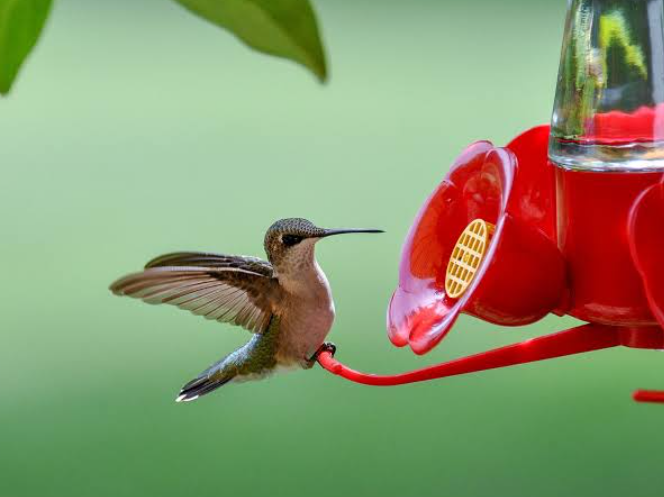
Hummingbirds possess a unique flight style that sets them apart from other birds. Their wings can beat up to 80 times per second, allowing them to hover in one spot or fly backward with astonishing precision. This incredible flight ability stems from their ball-and-socket joint structure at the shoulder, giving them unparalleled agility and maneuverability while feeding.
Moreover, their lightweight bodies, often weighing less than a penny, contribute to their remarkable flying efficiency. Hummingbirds can also generate lift by adjusting the angle and speed of their wings, allowing them to adeptly navigate through flowers and around obstacles. This mastery of flight not only allows them to escape predators but also ensures they can efficiently locate and feed on nectar-rich flowers.
-
- Observe how hummingbirds hover and dart around flowers.
-
- Provide a variety of feeder types to attract them.
-
- Use a timer to watch how frequently they return to feeders.
-
- Consider installing plants that naturally attract them.
2. Nutritional Needs and Feeding Behavior
Nectar constitutes a significant portion of a hummingbird’s diet, serving as a quick source of energy. These birds have specialized tongues, making them proficient nectar-feeders. Their unique tongue can extend, curl, and effectively sip up to twice their body weight in nectar daily, allowing them to sustain high-energy activities like flying and mating.
However, nectar alone isn’t sufficient; hummingbirds also consume insects and spiders for protein and essential nutrients. The balance between nectar and protein sources is crucial for their health and energy management, especially during breeding seasons when they require more nutrients. Consequently, understanding their dietary needs is vital for successful hummingbird observation and support.
-
- Choose feeders that mimic natural flower shapes.
-
- Ensure your feeder solution is a proper ratio of sugar to water (1:4).
-
- Regularly clean feeders to prevent mold.
-
- Plant native flowers that attract hummingbirds naturally.
3. The Importance of Pollination
Beyond their mesmerizing flight and feeding habits, hummingbirds play a crucial role in pollination. As they move from flower to flower in search of nectar, they inadvertently transfer pollen, facilitating the reproduction of numerous plant species. This symbiotic relationship is essential for maintaining the health of ecosystems, as many plants depend on hummingbirds for successful pollination.
The unique feeding adaptations of hummingbirds allow them to reach nectar from deep within flowers, which are often inaccessible to other pollinators. This specialization helps ensure that specific plants, especially those with tubular-shaped flowers, thrive and reproduce. As a result, protecting hummingbird populations is vital not just for their survival but also for the ecosystems that rely on them.
-
- Create a hummingbird-friendly garden with a variety of blooming plants.
-
- Limit pesticide use that could harm pollinators.
-
- Maintain diverse garden habitats to facilitate different pollination needs.
-
- Participate in local conservation efforts to protect hummingbird habitats.
4. Migration Patterns and Challenges
Hummingbirds are known for their long migrations, with some species traveling thousands of miles between feeding grounds and nesting territories. For instance, the Ruby-throated Hummingbird migrates from North America to Central America, navigating a perilous journey across the Gulf of Mexico. This impressive feat raises questions about their survival during migration, particularly in the face of climate change and habitat destruction.
While migration is instinctual, environmental changes can significantly impact their routes and availability of food sources. Changes in flowering times due to climate shifts can result in a mismatch between their arrival and the blooming of nectar-rich flowers, which can negatively impact their health and reproduction. Awareness and conservation action are essential to support these incredible birds during their challenging journeys.
-
- Monitor local migration patterns and habitats.
-
- Support conservation organizations focused on migratory birds.
-
- Educate others about the challenges faced by migratory species.
-
- Create habitat-friendly spaces that support hummingbirds year-round.
Understanding the flight secrets and feeding habits of hummingbirds not only enhances our appreciation for these remarkable birds but also guides our actions in supporting their populations. By creating a hummingbird-friendly environment, we can ensure these natural marvels continue to thrive in our backyards and ecosystems. Get involved today; your local hummingbird community awaits your support!