Cassowaries are often dubbed the “world’s most dangerous bird,” and for good reasons. Native to the tropical rainforests of New Guinea, nearby islands, and northern Australia, these large, flightless birds possess unique characteristics that both fascinate and intimidate. Understanding these remarkable creatures can provide valuable insights into their behavior and how to coexist safely with them.
1. A Unique Biology
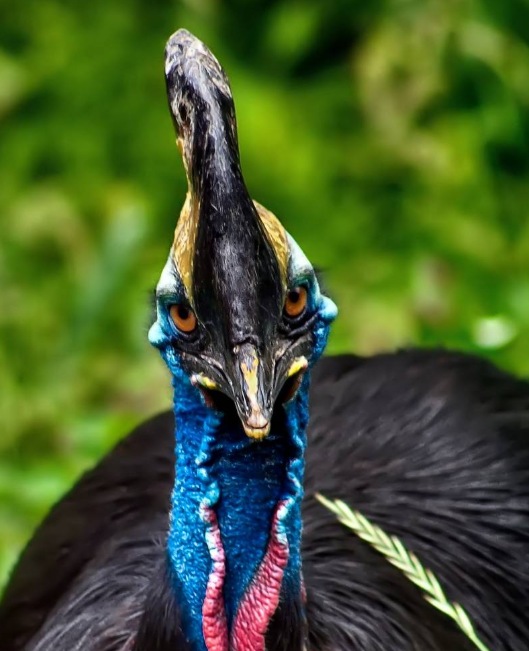
Cassowaries are distinct in that they can weigh up to 130 pounds and stand nearly 6 feet tall. Their size alone makes them an impressive sight, but it’s their features that truly set them apart. With a striking blue and black plumage, a helmet-like casque on their head, and vibrant-yellow wattles hanging from their neck, they are a splendid display of avian evolution. Their long legs are powerful, featuring three-toed feet capable of delivering deadly kicks, which can be stunningly effective in self-defense.
An interesting fact about cassowaries is their diet; they primarily feed on fruits, making them crucial to their ecosystem as seed dispersers. The birds can digest the seeds of large fruits that few other animals can consume, aiding in the regeneration of rainforest plants. Thus, cassowaries play a critical role in maintaining the health of their habitat.
-
- Observe the cassowary from a safe distance.
-
- Do not feed or attempt to approach these birds.
-
- Note their feeding habits; you may learn about their ecological role.
-
- Encourage local conservation efforts to protect their habitats.
2. Behavior and Territory
Cassowaries are solitary creatures, often marked by territorial behavior, especially during the breeding season. They can be quite aggressive, particularly when they feel threatened, and this can occur if their space is encroached upon. Male cassowaries have been known to defend their territory fiercely, showcasing various posturing behaviors to ward off potential threats. Their booming calls can also communicate their presence to other cassowaries in the area.
- Respect the territory of cassowaries; maintain distance.
- Observe their behavior and learn to recognize signs of aggression.
- Be aware of breeding seasons; avoid areas known for nesting.
- Keep pets away from these birds to prevent territorial conflicts.
3. How to Safely Navigate Cassowary Habitats
As more people visit cassowary habitats for ecotourism, understanding safety tips is crucial. One of the essential guidelines is to remain in designated paths and avoid venturing into areas known for cassowary sightings without proper guidance. This practice helps keep both humans and birds safe. Additionally, educating oneself about the local wildlife can enhance the experience while ensuring respect for their natural behavior.
If you plan to hike in regions inhabited by cassowaries, it’s advisable to travel in groups and remain vigilant. Group movements tend to deter aggressive behavior, while also offering a safety net in case of an encounter. Always carry safety gear, such as bear spray, even if cassowaries are not typically aggressive towards groups. Complying with park regulations can significantly mitigate risks.
- Stick to marked paths and avoid dense vegetation.
- Travel in groups to reduce the likelihood of aggression.
- Research local guidelines regarding cassowary interactions.
- Carry safety gear, including a first aid kit.
4. Conservation Efforts and Human Impact
Cassowaries are facing numerous threats, including habitat loss due to deforestation and climate change. As rainforests shrink, the survival of these birds becomes increasingly precarious. Conservation efforts are underway in various regions to protect their habitats, but challenges persist. Awareness and education about cassowaries can play a significant role in community efforts to sustain their populations.
One positive aspect is that various organizations work tirelessly to rehabilitate injured birds and educate the public on how to coexist harmoniously with wildlife. These conservation programs often involve local communities, teaching them the importance of preserving natural habitats for future generations. By engaging with and supporting these initiatives, individuals can positively impact cassowary survival rates.
- Support local conservation organizations focused on cassowaries.
- Participate in wildlife education programs to learn more.
- Advocate for responsible tourism that benefits local ecosystems.
- Spread awareness about the threats to cassowary habitats.
In conclusion, cassowaries are fascinating yet formidable residents of the rainforest. Understanding their behavior, respecting their habitats, and supporting conservation efforts are vital steps toward coexisting peacefully with these incredible birds. As you explore their world, remember to observe responsibly and be a champion for wildlife preservation.