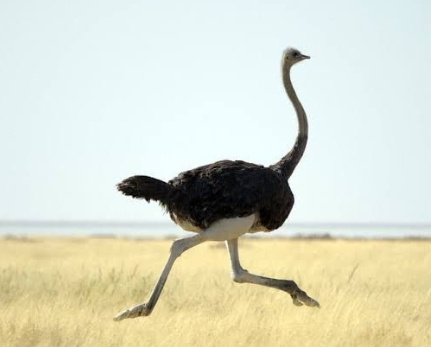
The ostrich, the largest living bird, is a fascinating creature that roams the African grasslands with remarkable speed and agility. Their unique adaptations allow them to thrive in their natural environment and evade predators, contributing significantly to their survival. In this post, we will explore the incredible speed of ostriches and how it plays a crucial role in their survival in the wild.
1. The Speed of the Ostrich
Ostriches are known for their impressive speed, capable of reaching up to 45 miles per hour (72 km/h). This incredible velocity makes them the fastest running birds on land. Their long, powerful legs not only allow for rapid movement but are also specially designed for endurance, enabling them to sustain speed over long distances when fleeing from predators.
In addition to speed, ostriches possess a unique running style that involves using their long strides effectively. An ostrich can cover up to 16 feet in a single stride, which aids in their ability to escape threats quickly. Coupled with their keen eyesight, they can spot potential dangers from afar, allowing them to make a quick getaway.
-
- Understand the running style of ostriches for better awareness.
-
- Observe how their leg muscles are structured for speed and endurance.
-
- Watch for their agility in navigating different terrains.
-
- Learn about their sight and how it contributes to their survival.
2. Survival Strategies in the African Grasslands
Survival in the African grasslands demands more than just speed; ostriches have developed various strategies to thrive in this environment. One key aspect is their diet. As omnivores, ostriches consume a variety of plants, seeds, and insects, which provides them with the necessary nutrients to sustain their energy levels for rapid movement.
Moreover, ostriches have a meticulous nesting behavior, often laying their eggs in communal nests. This strategy decreases the risk for any single bird and increases the survival rate of the eggs. With shared parental duties, they keep a vigilant watch against predators, ensuring the safety of the next generation.
-
- Learn about the dietary needs of ostriches for better habitat understanding.
-
- Explore communal nesting habits and their benefits.
-
- Examine how shared parental care enhances survival chances.
-
- Consider the role of cooperative behavior in predator detection.
3. Adaptation Mechanisms to Evade Predators
Ostriches possess several adaptive mechanisms that enhance their ability to evade predators such as lions and hyenas. One of their most significant adaptations is their ability to run in varied directions quickly. This agility allows them to maneuver effectively on the grasslands, often surprising predators with sudden changes in direction.
Furthermore, when threatened, ostriches utilize camouflage as a survival tactic. Their feathers blend in well with the grasslands, making it difficult for predators to spot them when they are lying low. This combination of speed, agility, and environmental adaptation makes them formidable survivors in their ecosystem.
-
- Observe how ostriches blend into their surroundings.
-
- Understand their quick maneuvering techniques to evade threats.
-
- Learn about other animals that share similar tactics in the wild.
-
- Investigate how environmental factors affect their camouflage abilities.
In conclusion, the ostrich is a remarkable example of adaptation and survival. Its incredible speed, coupled with effective survival strategies and predator evasion tactics, allows it to thrive in the challenging African grasslands. If you’re interested in learning more about the natural world, consider visiting wildlife reserves or engaging with local conservation efforts to gain a deeper understanding of these incredible creatures.