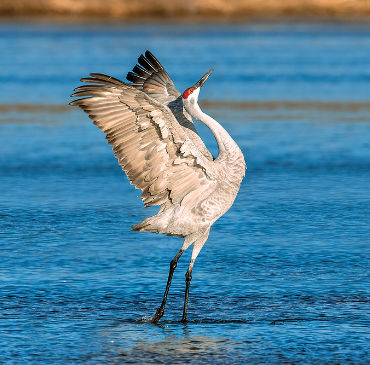
Crane dancing during courtship season is a mesmerizing spectacle found in various cultures across the globe. These elegant birds engage in elaborate dances that are both a display of their beautiful plumage and a way to attract mates. Understanding the significance of these rituals can enhance the appreciation of these magnificent creatures and their role in the environment.
1. The Dance of Attraction
The courtship dance of cranes is not merely an instinctual behavior; it is a complex display of skill and grace. Typically performed in open areas, these dances involve synchronized movements, jumping, and posturing. Each display showcases the strength and vitality of the individual cranes, making them more appealing to potential mates. For example, the Sandhill Crane’s dance includes unique steps like bowing, leaping, and even tossing small objects, which contribute to the elaborate performance.
This courtship dance is primarily seen during the breeding season, which varies depending on the species and geographic location. Cranes often rehearse their dances in pairs or small groups, perfecting their moves before showcasing them to potential partners. These rituals can last from a few minutes to several hours, depending on the enthusiasm of the birds involved.
-
- Observe cranes during their courtship season to witness their fascinating dance.
-
- Visit wildlife reserves or wetlands where cranes are known to exhibit their courtship behaviors.
-
- Document your experiences with photos and notes to share with others.
-
- Learn about the specific crane species found in your area to understand their unique dances.
2. Significance of the Dance
The courtship dance serves multiple purposes beyond mate attraction. For one, it strengthens the bond between mated pairs, enhancing their partnership for the breeding season. The rituals also play a critical role in establishing territory, as participants must demonstrate their dominance and readiness for breeding. Through these performances, cranes communicate their vitality and suitability as mates, which is crucial in a time where the survival of the species is at stake.
Additionally, these dances create a spectacle that draws the attention of both local communities and visitors alike. Festivals and events celebrating crane migrations and dances have been organized in various regions, contributing not just to conservation efforts but also to local economies. These events raise awareness about the importance of preserving the cranes’ habitats and the delicate ecosystems they inhabit.
-
- Participate in local events that celebrate crane migrations and dances.
-
- Educate others about the ecological significance of crane populations.
-
- Support conservation programs that aim to protect crane habitats.
-
- Encourage responsible wildlife observation practices, keeping a respectful distance from the birds.
3. Cultural Perspectives on Crane Dancing
Cranes have held symbolic meanings in various cultures around the world, often associated with longevity, happiness, and fidelity. For instance, in Japanese culture, the crane is a symbol of good fortune and is featured prominently in art and literature. The Kagu, a species of crane native to New Zealand, is also considered a national treasure, with its dances incorporated into Maori cultural traditions. These cultural associations elevate the significance of crane dancing beyond mere biological functions, making it a cherished aspect of many societies.
In addition to cultural representations, crane dances are used in storytelling and rituals. Local legends often describe how cranes interact with humans, emphasizing themes of love and commitment. Recognizing the cultural perspectives on crane dancing can contribute to a deeper understanding of how wildlife interacts with human life and legacy.
-
- Explore cultural works (literature, art, dance) that feature cranes.
-
- Learn about local legends and myths associated with cranes in your area.
-
- Engage with community members to understand their perspectives on crane symbolism.
-
- Share your findings on how cranes have influenced culture through social media or community discussions.
In conclusion, observing crane dancing during courtship season reveals not only the beauty of nature but also the intricate relationships between ecology and culture. Whether you’re an avid birdwatcher or simply a nature enthusiast, taking the time to learn about these magnificent birds can enrich your understanding and appreciation of the natural world. Consider visiting local natural reserves or engaging with cultural festivals to immerse yourself in this incredible experience.