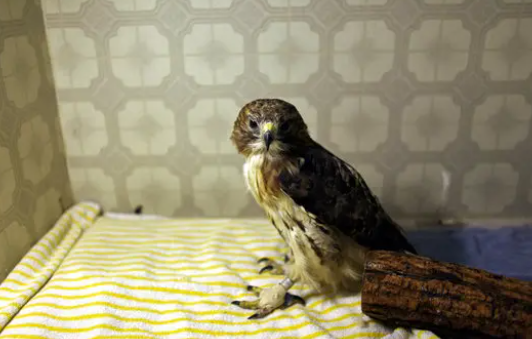
Red-tailed hawks have become a familiar sight in urban landscapes, adapting remarkably well to city life. Their ability to thrive amidst the concrete jungle showcases not only their resilience but also how wildlife can coexist with human development. This blog will explore several fascinating urban survival stories of red-tailed hawks and provide some insights into their impressive adaptations.
1. Finding Food in Unexpected Places
One of the most remarkable aspects of the red-tailed hawk’s urban survival is its ability to locate food. In cities, these birds utilize both natural and human-created environments to hunt. For instance, in many urban parks, red-tailed hawks can often be seen hunting small rodents such as squirrels and rats, which thrive in garbage-strewn areas. These hawks possess keen eyesight and can spot movements from great heights, often perching on tall buildings or streetlights to survey their surroundings.
Besides natural prey, red-tailed hawks have adapted their foraging strategies to exploit food sources created by humans. They might scavenge from outdoor cafés or follow garbage trucks, taking advantage of easy meals left behind. This versatility in their diet allows them to thrive even in environments where traditional hunting grounds have been diminished.
-
- Look for hawks in urban parks and green spaces.
-
- Observe their hunting behavior from a distance.
-
- Document the different types of prey they catch.
-
- Be mindful of the types of food you leave outdoors.
-
- Consider the impact of urban waste on local wildlife.
2. Building Nests in the Cityscape
Red-tailed hawks are known for their impressive nests, which can often be spotted atop tall structures in urban areas, such as skyscrapers, bridges, and even cell towers. They typically build their nests using sticks, grass, and other materials, ensuring a sturdy and secure home. This nesting behavior not only showcases their adaptability; it also offers them a safe haven away from ground predators and disturbances.
In many U.S. cities, conservationists and wildlife enthusiasts have documented hawks making use of man-made structures for nesting. For example, in New York City, the partnership between local authorities and wildlife organizations has led to successful nesting in specific buildings. These initiatives not only protect the hawks but also allow residents to witness the incredible experience of young hawks hatching and learning to fly.
-
- Look for large nests in high places when exploring urban landscapes.
-
- Use binoculars for a closer look at nesting sites.
-
- Participate in local birdwatching groups to learn more.
-
- Respect nesting areas and avoid disturbing adult hawks.
-
- Consider installing nest boxes if you have suitable property.
3. Fostering Urban Awareness & Conservation
The presence of red-tailed hawks in urban areas also brings an opportunity for community engagement and conservation awareness. Many cities have initiated campaigns to educate residents about these magnificent birds and the role they play in the ecosystem. Such initiatives invite people to observe and learn about urban wildlife, fostering a sense of connection with nature amidst the hustle and bustle of city life.
Educational programs often include guided walks, talks by wildlife experts, and community workshops on creating bird-friendly environments. These programs encourage residents to contribute to conservation efforts, such as creating green spaces and minimizing hazards for birds. As more people become aware of urban wildlife, efforts to protect their habitats can thrive, making cities better places for both humans and animals alike.
-
- Attend local wildlife workshops to expand your knowledge.
-
- Engage with community conservation projects.
-
- Share your experiences of seeing hawks with friends and family.
-
- Support local organizations focused on preserving urban wildlife.
-
- Consider volunteer opportunities to help with species surveillance.
Red-tailed hawks represent resilience and adaptability in urban areas. Their ability to thrive in cities highlights the importance of balancing human growth with wildlife conservation. By observing these hawks and learning more about their existence, we can all contribute to a better understanding of urban ecosystems. Take the time to explore your community and discover how you can play a role in protecting this incredible species.