Caracaras are fascinating birds that seamlessly blend the roles of scavengers and hunters in their ecosystems. With striking features and intelligent behaviors, they command a unique presence in the avian world. Whether soaring above the fields or foraging on the ground, these birds offer a glimpse into the complexities of their survival strategies.
1. Understanding Caracaras: The Basics
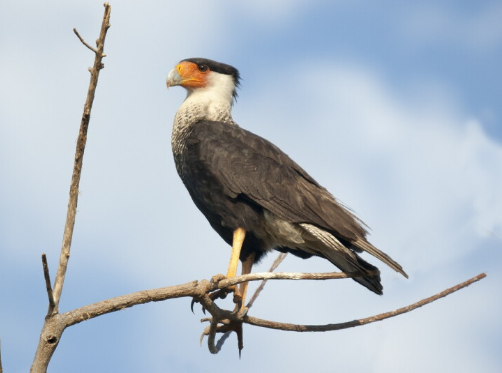
Caracaras belong to the family Falconidae and are most commonly found in the Americas, particularly in open habitats like grasslands, savannas, and even urban areas. They are known for their distinctive appearance, characterized by a robust build, long legs, and a contrasting black and white plumage. The Southern Caracara is perhaps the most well-known species, often seen scavenging or hunting in fields and along roadsides.
Unlike many other birds of prey, caracaras do not rely solely on their hunting skills. Their opportunistic feeding behavior allows them to capitalize on various food sources, from insects to small mammals, and even carrion. This versatility enables them to thrive in diverse habitats where food availability may fluctuate.
-
- Learn about the different species of caracaras in your region.
-
- Observe their behaviors in natural habitats or zoos.
-
- Research their diets and preferred feeding practices.
-
- Take note of their nesting behaviors and breeding seasons.
2. The Scavenger’s Edge: How Caracaras Thrive
Scavenging is a significant aspect of a caracara’s lifestyle, providing essential nutrients without the need for strenuous hunting efforts. This behavior is vital during lean seasons when prey is scarce. Caracaras have excellent eyesight and keen intuition, often following larger predators to locate uneaten prey. In intricate ecosystems, this role is crucial; it helps recycle nutrients back into the environment.
For instance, in regions where carrion is plentiful, caracaras can often be seen rummaging through remains left by other animals. They use their strong, hooked beaks to tear into leather-like skins and access the nutritious muscles beneath. Their scavenging habits also play an essential role in controlling disease by cleaning up dead animals that could otherwise harbor pathogens.
-
- Identify local scavenging hotspots, such as roadkill areas.
-
- Learn about the role of scavengers in the ecosystem.
-
- Encourage awareness about reducing roadkill for the benefit of wildlife.
-
- Participate in or support clean-up initiatives to help maintain environments.
3. Masterful Hunters: The Hunting Techniques of Caracaras
While known mostly as scavengers, caracaras are also impressive hunters. They can take down small mammals, reptiles, insects, and even birds. Caracaras exhibit various techniques when hunting, such as stalking and ambushing. This adaptability enables them to modify their hunting techniques based on prey and environmental conditions.
One remarkable hunting strategy involves the caracara’s ability to work in pairs or small groups, effectively coordinating efforts to surround prey or drive it toward a designated area. Their intelligence allows them to recognize patterns and cues in their prey behavior, increasing their chances of a successful hunt. Additionally, caracaras are known to use tools; for example, they may drop hard-shelled nuts to access the edible parts inside.
-
- Observe their hunting behaviors in the wild to understand their strategies.
-
- Document your findings for future reference or study.
-
- Research their preferred prey and seasonal hunting patterns.
-
- Share your experiences with local wildlife groups or forums.
4. The Sociable Nature of Caracaras
Social structures among caracaras can be intricate. While they are often seen alone or in pairs, they can also form small groups, especially during the non-breeding season. These groups provide advantages, such as sharing information about food sources and improving efficiency in foraging and hunting activities. Social interactions among caracaras often involve vocalizations, with distinct calls used to communicate presence or alert others to danger.
Fledglings remain with their parents for several months, learning essential survival skills before heading out on their own. This parental investment is crucial for ensuring that young caracaras develop effective foraging and hunting behaviors. They can often be seen practicing skills close to their nests, displaying their intelligence and adaptability early in life.
-
- Learn about the social dynamics of bird species on your nature walks.
-
- Document interactions between different caracara individuals.
-
- Participate in birdwatching groups for shared experiences.
-
- Consider volunteering for local wildlife conservation programs.
In conclusion, caracaras are remarkable birds that skillfully navigate the roles of scavenger and hunter within their ecosystems. Their adaptability, intelligence, and social behaviors contribute significantly to their survival. To appreciate these remarkable creatures further, consider engaging in birdwatching, supporting wildlife conservation, or simply learning more about their ecological roles in your environment.