The life cycle of a raptor chick is a fascinating journey from its humble beginnings in an egg to its transformation into a magnificent bird of prey. Understanding this cycle not only highlights the beauty of nature but also emphasizes the need to protect these incredible creatures. Let’s explore the stages involved in the development of a raptor chick in detail.
1. Incubation Stage
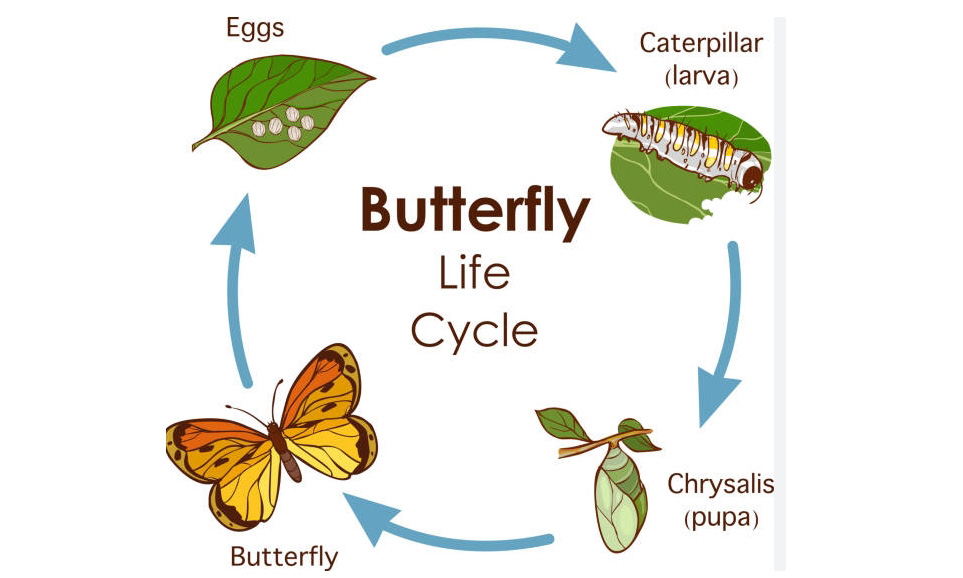
The journey begins with the raptor’s egg. Female raptors, such as eagles, hawks, and owls, usually lay between one to five eggs, depending on the species. These eggs are often laid in a nest high above the ground, providing safety from predators. The mother incubates the eggs for several weeks, during which the male plays a crucial role in providing food.
During the incubation period, the temperature and humidity must be maintained to ensure proper development. The mother raptor uses her body heat to warm the eggs while occasionally turning them to promote even growth. This nurturing process is vital; without the right conditions, the eggs may fail to hatch or produce weak chicks.
-
- Monitor the temperature of the nest site if you’re studying raptors.
-
- Ensure the nesting area is free from disturbance.
-
- Document feeding patterns of the male raptor.
-
- Observe the female’s behavior during this period.
2. Hatching Process
The first few days post-hatching are crucial for raptor chicks. They rely on their parents for warmth and food. The mother continues to keep them warm, while the father starts bringing in food, usually small mammals or birds. This early diet is essential for the growth and development of the chicks, laying the foundation for their future hunting skills.
- Record hatching times and order for observation.
- Be cautious not to disturb the nest during hatching.
- Provide ample space for the raptors to grow.
- Track feeding times and the types of food provided.
3. Nestling to Fledgling Stage
- Encourage natural behaviors by allowing them space to roam.
- Observe interaction patterns among chicks.
- Document their physical growth and feather development.
- Ensure safety from predators in the nearby environment.
4. Independence and Survival
- Continue monitoring their flight and hunting skills.
- Engage in practices that support their learning during this time.
- Be mindful of surrounding wildlife that could pose threats.
- Support local conservation efforts to protect their habitat.
The life cycle of a raptor chick is not just a remarkable journey of growth; it’s a testament to the resilience of nature. Understanding this cycle can foster appreciation and motivate hunters, bird watchers, and nature enthusiasts to contribute to conservation efforts. Observing these majestic birds can be a thrilling experience, so consider investing time in your local raptor populations.