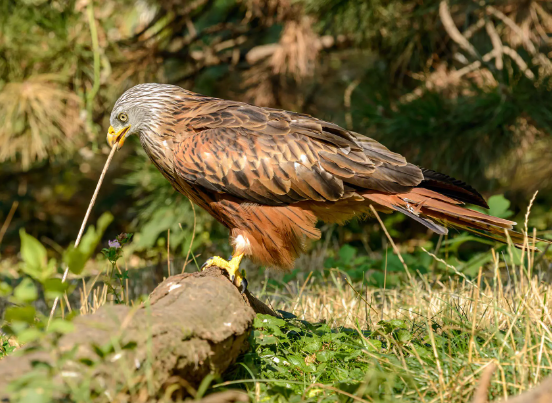
Birds of prey, also known as raptors, are fascinating creatures that dominate the skies with their impressive hunting skills. Understanding their feeding behavior can give us insight into their lifestyles and survival strategies. In this blog post, we will explore various aspects of how these magnificent birds hunt, feed, and adapt to their environments.
1. Hunting Techniques of Birds of Prey
Birds of prey utilize a variety of hunting techniques to capture their prey, each adapted to their specific environment and physical capabilities. For example, eagles often employ a method called “stooping,” where they dive at astonishing speeds to catch unsuspecting prey on the ground. On the other hand, owls prefer to hunt at night, using their exceptional hearing and night vision to locate small mammals in the dark.
The adaptability of hunting techniques is a testament to the survival strategies employed by these raptors. Some species, like the peregrine falcon, are renowned for their speed, diving from heights up to 3,000 feet to reach speeds exceeding 240 mph while hunting. Others, like the harrier, use low aerial patrols to flush out small birds or mammals hidden in dense vegetation.
-
- Observe local raptors to learn their hunting styles.
-
- Visit wildlife sanctuaries for guided raptor watch tours.
-
- Read about specific species to understand their behaviors.
-
- Photograph raptors in action to capture their hunting techniques.
2. Feeding Habits and Diet
The diet of birds of prey varies significantly between species and is often dictated by their size and habitat. Large raptors, like golden eagles, predominantly hunt larger mammals such as rabbits or even young deer, while smaller hawks may primarily feed on insects and small rodents. The flexibility in their diet enables them to adapt to changes in their environment, such as food shortages or seasonal changes.
Moreover, some raptors are known to scavenge in addition to hunting. For example, vultures are often seen feeding on carrion, a dietary practice that helps maintain the balance within ecosystems by cleaning up dead animals. Learning about the specific diets of different raptor species can help wildlife enthusiasts appreciate the role these birds play in their environments.
-
- Keep a bird watching journal to note different raptor diets.
-
- Research local raptor species to learn about their food preferences.
-
- Create a wildlife-friendly garden to attract small birds and rodents.
-
- Contribute to conservation efforts to protect raptors and their habitats.
3. Challenges in Feeding
Feeding behavior in birds of prey is not without its challenges. Environmental factors such as habitat destruction, climate change, and human interference significantly impact their food sources. For instance, deforestation can reduce the availability of small mammals, forcing raptors to compete for limited prey or venture further from their nests.
Moreover, competition with other predators can also hinder access to food. Many raptors are territorial, and when food is scarce, disputes over hunting grounds can arise, jeopardizing their survival. Understanding these challenges highlights the importance of ecosystem preservation and the need for sustainable practices to protect these majestic birds and their natural habitats.
-
- Support local conservation projects aimed at protecting raptor habitats.
-
- Reduce plastic use to prevent pollution in raptor feeding areas.
-
- Educate others on the importance of wildlife conservation.
-
- Report any illegal hunting or trapping of raptors to authorities.
By understanding the intricate details of birds of prey feeding behavior, we can foster a greater appreciation for these majestic creatures. Observing them in their natural habitats offers a glimpse into the complexities of their lives, helping us become better stewards of the environment.
In conclusion, being informed about the feeding behavior of birds of prey enriches our awareness of wildlife. Next time you spot a raptor soaring overhead or perched on a tree, take a moment to appreciate the skills and challenges these incredible birds face in their daily lives.