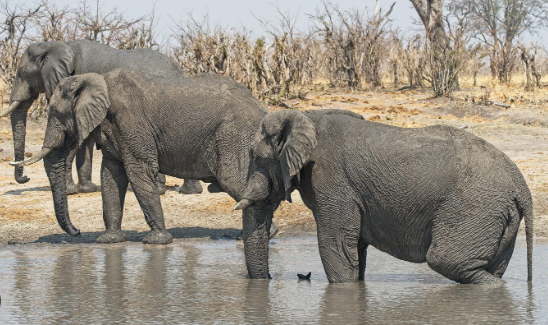
Elephants, known for their intelligence and social behavior, have an extraordinary ability to locate water sources even during intense droughts. Their survival depends on this skill, which is not only fascinating but also essential for their thriving in challenging environments.
1. The Role of Memory in Finding Water
Elephants have remarkable memories, which play a vital role in their ability to find water. Older female elephants, known as matriarchs, often lead their herds to water sources based on their past experiences. They can remember the locations of water holes that may have been dry for years, which is crucial during periods of severe drought when water becomes scarce.
This phenomenon is not just anecdotal; studies have shown that matriarchs can recall specific geographical features and seasonal water availability patterns. Their ability to store this information allows them to navigate vast terrains and return to life-sustaining resources efficiently—skills that are transmitted through generations.
-
- Encourage observational studies of matriarch-led herds.
-
- Document historical drought impacts on water sources.
-
- Use mapping tools to track water availability over time.
-
- Engage with local conservationists to share findings.
2. Communication and Social Dynamics
Communication is another critical aspect of how elephants locate water. They use a combination of vocalizations, body language, and even ground vibrations to convey information about water sources. When a matriarch detects a possible water source, she can alert other members of her herd, aiding in the collective search for hydration.
The social dynamics of elephants further enhance their potential to find water. Younger elephants observe and learn from older individuals, ensuring that knowledge about water sources is passed down. This social structure reinforces cooperative behavior, making it easier for herds to find water during desperate times.
-
- Foster teamwork within groups to improve searching efficiency.
-
- Monitor and document communication methods used during searches.
-
- Encourage mentoring relationships between older and younger elephants.
-
- Promote community-based wildlife education programs.
3. Natural Instincts and Adaptability
Elephants have evolved various natural instincts that contribute to their ability to find water. For instance, they often track birds and other wildlife that may lead them to water sources. Birds tend to gather around water, serving as indicators that can guide elephants to hydration spots when they are desperately needed.
In addition to following animal behavior, elephants also adapt their movement patterns based on environmental cues. For example, during dry seasons, they may migrate longer distances to reach water supplies that are less accessible. This adaptability showcases their ability to survive under challenging conditions by continuously searching for available resources.
-
- Observe wildlife behavior as indicators of water sources.
-
- Utilize GPS technology to track movement patterns.
-
- Document seasonal changes in wildlife interactions.
-
- Implement strategies for preserving potential water sources.
By understanding how elephants locate water during extreme droughts, conservationists can develop strategies that help protect these majestic animals and their habitats. Tracking the habits and behaviors of elephants not only aids in their survival but supports overall ecosystem health.
In conclusion, elephants’ remarkable ability to locate water during extreme droughts is a testament to their intelligence, social structure, and adaptability. Given the ongoing challenges posed by climate change, recognizing and supporting these traits can make a significant impact on their conservation. Engage with local experts, participate in conservation efforts, and advocate for the protection of elephant habitats to ensure these magnificent creatures continue to thrive.