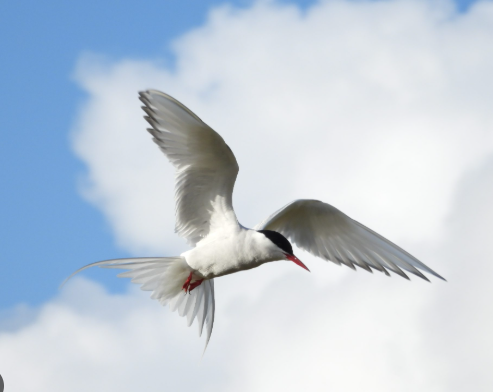
The impact of climate change on Arctic birds is a pressing environmental issue that extends far beyond the polar regions. As the Earth warms, these magnificent birds face challenges that threaten their survival and the delicate ecosystems they inhabit. Understanding these challenges is crucial for preserving these species and protecting their habitats.
1. Habitat Loss Due to Melting Ice
One of the most significant impacts of climate change on Arctic birds is habitat loss. As temperatures rise, sea ice is melting at an alarming rate. This loss of ice directly affects species that rely on it for breeding and feeding. For example, the Steller’s eider, a sea duck, depends on sea ice in the Bering Sea for nesting and foraging. With declining ice, their breeding grounds are disappearing, leading to decreased populations.
Moreover, the melting ice not only affects birds directly but also alters the entire food web. As ice diminishes, the availability of food sources such as fish and invertebrates declines, which further impacts bird populations. When birds cannot find sufficient food, their survival and reproduction rates drop, threatening species like the Arctic tern and thick-billed murre.
-
- Support legislation aimed at reducing greenhouse gas emissions.
-
- Participate in local conservation efforts to help protect Arctic habitats.
-
- Advocate for sustainable fishing practices that protect ocean ecosystems.
-
- Join organizations focused on Arctic wildlife conservation.
2. Changes in Migration Patterns
Climate change is also causing shifts in the migration patterns of Arctic birds. Many species, such as the red knot and bar-tailed godwit, migrate thousands of miles for breeding. Warmer temperatures might lead to earlier springs in the Arctic, prompting these birds to start their migration sooner. However, if they arrive too early, they could face food shortages due to mismatched timing with the availability of insects and plants.
Additionally, changing weather patterns can result in increased storm frequency and severity, which can severely disrupt migration routes. Birds may also struggle to adapt to new food sources and unfamiliar locations. For example, changes in wind currents can affect the energy costs associated with long-distance migration, potentially impacting population numbers and the health of adult birds.
-
- Educate yourself about local bird species and their migration patterns.
-
- Participate in bird-watching events to monitor migration trends.
-
- Support bird conservation groups working on migration research.
-
- Use social media to raise awareness of climate effects on birds.
3. Increased Competition and Predator Pressure
As climate change disrupts Arctic ecosystems, birds face increased competition for resources and heightened predator pressure. As native habitats are altered or destroyed, some bird species may be forced to adapt to new environments, where they contend with unfamiliar competitors. This added stress can lead to declines in populations of native birds, making survival more challenging.
Moreover, warming climates are allowing certain predator species, such as gulls and foxes, to expand their ranges into Arctic regions. These predators can have devastating effects on bird populations, especially for ground-nesting species. For instance, the Arctic plover is particularly vulnerable to predation, and higher predator populations can lead to a drastic decline in their numbers.
-
- Create awareness about local predators affecting bird habitats.
-
- Monitor bird populations and share observations with conservation groups.
-
- Advocate for habitat restoration projects that benefit native bird species.
-
- Engage in community efforts to protect vulnerable nesting sites.
4. Chemical Pollutants and Changing Ecosystems
Acidic water and other chemical pollutants resulting from climate change further complicate the challenges faced by Arctic birds. These pollutants can accumulate in the food chain, often through fish and other prey species that birds consume. High levels of toxins can lead to health problems and decreased reproductive success in birds such as the puffin and the common eider.
The changing ecosystem also affects the availability of suitable nesting grounds and the diversity of food sources. As warming oceans change the distribution of fish populations, birds must adapt to seek out new feeding areas, which may not always yield satisfactory results. The reliance on fewer food sources can jeopardize the health of bird populations, making long-term survival increasingly difficult.
-
- Minimize the use of chemicals in your garden to protect local ecosystems.
-
- Participate in clean-up initiatives of local waterways.
-
- Advocate for policies that limit industrial runoff into natural habitats.
-
- Learn about and support sustainable fishing practices that keep ecosystems intact.
In conclusion, the impact of climate change on Arctic birds is profound and multifaceted, affecting everything from habitat loss to changes in migration patterns. Each of us has a role to play in combating these effects, from supporting conservation initiatives to adopting sustainable practices in our daily lives. By raising awareness and taking action, we can help protect these remarkable species and their fragile ecosystems for generations to come.