The journey of young eagles learning to fly is a fascinating and complex process that showcases the beauty of nature. From the moment they hatch until they take to the skies, these majestic birds undergo numerous stages that are crucial for their survival and independence. In this blog post, we will explore how young eagles learn to fly through different stages of development.
1. The Nesting Phase
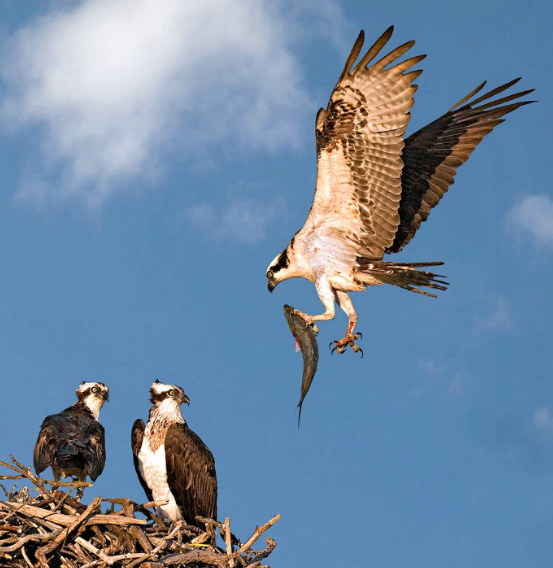
In the initial phase of their lives, young eagles spend a significant amount of time in the nest, typically built atop high cliffs or tall trees. While nested, they rely on their parents for food and care. During this time, they develop their physical strength and coordination through various activities such as flapping their wings and engaging in playful interactions with their siblings. This is also the time when they begin to learn about their environment, recognizing potential predators and hazards.
As they grow, the eaglets become increasingly curious about the world outside the nest. They start to peek over the edges, testing their wings and gaining confidence. Each day brings new lessons, as they watch their parents demonstrate hunting techniques from a distance, helping instill essential survival skills. This formative period is vital as it sets the foundation for their future flying abilities.
-
- Ensure the nest is in a safe location, away from predators.
-
- Monitor the eaglets’ health and growth.
-
- Provide a varied and nutritious diet to strengthen their muscles.
-
- Encourage playtime to develop coordination.
2. Wing Development and Flapping
As eaglets mature, typically around 6-8 weeks old, they start to flex their wings more vigorously. This exercise is crucial; it helps build the muscles they will need for flight. At this stage, they will often flap their wings to test the limits of their strength and endurance. Their feathers also begin to develop, transitioning from soft down to more rigid primary flight feathers. The right wing structure is essential for achieving lift and maintaining balance in the air.
During this period, eaglets will frequently engage in flapping their wings while standing on the nest’s edge or nearby perches. This natural behavior builds confidence and prepares them for the elevation needed to leave their nest. Observing their parents soar gracefully above often inspires their attempts and serves as a vital visual cue to follow. As they practice, they begin to understand the mechanics of flight.
-
- Encourage wing flapping by placing perches high enough for them to climb.
-
- Ensure they have enough room to practice from the nest.
-
- Provide a safe, spacious area to fly around when they are ready.
-
- Assess feather development and health regularly.
3. The First Flight
The moment of truth arrives when eaglets take their first flight, usually around 10-12 weeks of age. This highly anticipated event is a mix of excitement and trepidation. Young eagles will often take short leaps or hops from their perch before attempting a full flight. Parental guidance plays a crucial role during this time, as mature eagles will often demonstrate flying techniques, encouraging their young to mimic their movements.
Once equipped with enough strength and confidence, the eaglets will take that leap of faith into the open air. They are greeted by the wind beneath their wings, which creates a unique sensation that is both thrilling and liberating. Initially, their flights may be clumsy, but through repetition and practice, they quickly refine their flying skills. It may take several attempts for them to soar confidently, but patience is vital for this process.
-
- Observe their first attempts from a distance to avoid startling them.
-
- Provide continuous encouragement to build their confidence.
-
- Monitor their flight path and landing zones for safety.
-
- Be prepared for frequent practice flights as they learn to maneuver.
4. Mastering Flight Techniques
After their initial flights, young eagles enter a phase where they refine their flying skills. This includes mastering essential techniques such as soaring, gliding, and making sharp turns. At this stage, eagles may often be seen soaring high in the sky, utilizing thermals to conserve energy and practice their aerial maneuvers. The learning curve can be steep, with some falls or miscalculations along the way, but this is a crucial part of their flying education.
As they fly more, young eagles begin to explore further from their nesting territory. This stage is vital for them to learn about various hunting strategies and examine different types of terrain. Their parents may continue to demonstrate effective hunting skills, giving eaglets the knowledge they need to eventually feed themselves. Observational learning plays a crucial role here, as they replicate the techniques they see in their parents.
-
- Encourage independent flights while monitoring their area.
-
- Highlight safe zones where they can practice hunting skills.
-
- Identify flight patterns and behaviors in mature eagles.
-
- Assess their progress and provide constructive feedback.
5. The Transition to Independence
As young eagles become more adept at flying, the time comes for them to venture into full independence. This usually occurs when they are around 12-16 weeks old. At this point, they can hunt effectively and manage their own flight patterns. Gradually, their parents will reduce the amount of food they provide, encouraging the fledglings to hunt for themselves. This critical phase teaches responsibility and self-sufficiency.
Independence does not mean that young eagles have completely separated from their parents; rather, it signifies that they are ready to explore beyond the nest. They begin to carve out their territories and may still benefit from parental oversight as they learn about their new environments. It’s a thrilling transition marked with challenges but also immense gratification as they reach a pivotal milestone in their lives.
-
- Monitor their ability to hunt and manage flight.
-
- Encourage exploration while ensuring their safety.
-
- Provide guidance as they establish their territories.
-
- Remain available for support during challenging situations.
In conclusion, the journey of young eagles learning to fly is a remarkable process filled with growth and discovery. From the comfort of their nests to soaring triumphantly in the sky, their experiences shape them into independent creatures. For those interested in witnessing this transformative journey, it’s essential to appreciate the intricacies of their development and ensure their safety.