Kitty litter is an essential part of cat care, and choosing the right type can significantly impact both your feline friend and your home. With so many options available, it’s important to understand their pros and cons. This guide will help you navigate the world of kitty litter to find the best fit for you and your cat.
Types of Kitty Litter
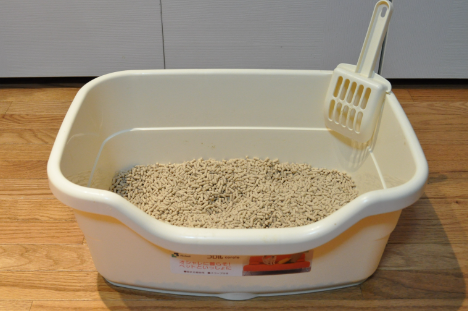
There are several types of kitty litter, and each comes with its unique benefits. The most common types are clumping, non-clumping, crystal, and natural litters. Clumping litter is favored for its ability to form solid clumps when wet, making it easy to remove waste and control odors. Non-clumping litter absorbs moisture without forming clumps, which some pet owners prefer for its lower cost. Crystal litter, made from silica gel, is great for absorbency and odor control, while natural litters composed of materials like wood and corn are becoming increasingly popular for their eco-friendliness. Understanding these options can help you make an informed decision based on your cat’s needs and your lifestyle.
Choosing the Right Litter for Your Cat
When selecting kitty litter, consider your cat’s preferences and any specific needs they might have. Some cats are sensitive to certain textures, so it might take a bit of trial and error to find what they like best. For instance, older cats with arthritis may appreciate softer, finer litter that’s easier on their paws. Additionally, if you have a multi-cat household, clumping litter might be more practical for managing odor and keeping the litter box clean. Always observe how your cat reacts to different types of litter and be patient as they adjust to any changes.
Maintaining a Clean Litter Box
Maintaining a clean litter box is crucial for your cat’s health and happiness. Regular scooping—ideally once a day—helps prevent odor build-up and encourages your feline friend to use the litter box consistently. It’s also important to perform a full litter change every two to four weeks, depending on the type of litter used. Clean the box itself with mild soap and water, avoiding harsh chemicals that might deter your cat from using it. By keeping the litter box in good shape, you contribute to a healthier environment for your kitty and a happier home overall.
In conclusion, selecting and maintaining kitty litter isn’t just about keeping your home clean; it plays a significant role in your cat’s comfort and well-being. By understanding the different types of litter, choosing the right one for your cat’s needs, and keeping the litter box tidy, you can create a positive experience for both you and your furry friend. Feel free to explore more about cat care or consult your vet for personalized advice tailored to your pet!