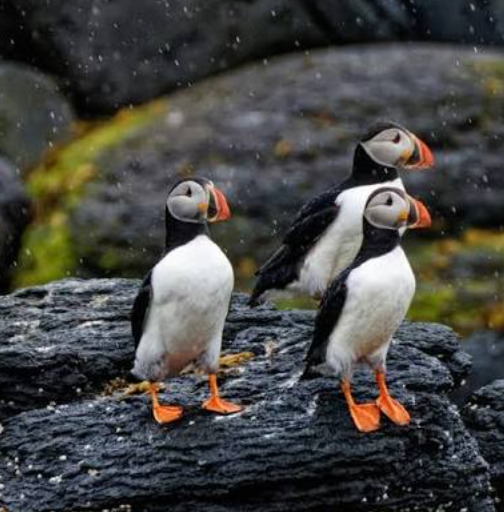
The Atlantic Puffin, a charming seabird known for its colorful beak and distinctive appearance, makes its home on rugged sea cliffs during the nesting season. These remarkable birds not only provide a stunning view but also play a crucial role in their ecosystems. Learning about their nesting habits can enhance our appreciation for these unique creatures and the conservation efforts needed to protect their habitats.
1. Nesting Habits of Atlantic Puffins
Atlantic Puffins typically nest in colonies on steep sea cliffs, often returning to the same burrows year after year. They dig tunnels that can be up to three feet long, offering protection for their young from predators. Puffins usually lay one egg per breeding season, which both parents take turns incubating for about 36-45 days.
During the nesting season, usually from late April to August, these birds are busy foraging for fish like herring and sand eels to feed their chicks. Once the chicks hatch, they are cared for until they are ready to fledge, usually around 6-7 weeks after hatching. The transition from nest to sea is crucial, and the young puffins navigate this journey with instinctual precision.
-
- Observe puffin nesting locations along sea cliffs during breeding season.
-
- Minimize disturbance; keep a respectful distance from nesting areas.
-
- Join guided puffin watching tours for in-depth knowledge.
-
- Support local conservation efforts aimed at protecting puffin habitats.
2. Challenges in Nesting and Conservation Efforts
Atlantic Puffins face numerous challenges, particularly due to climate change and human activities that disrupt their nesting habitats. Rising sea temperatures affect the availability of fish, leading to food shortages for puffins during crucial feeding times. Additionally, pollution and overfishing not only diminish fish populations but also contaminate the waters where puffins feed.
Conservationists are working hard to mitigate these issues through habitat restoration and protection efforts. Many organizations are advocating for stricter fishing regulations and pollution control measures to ensure that puffins continue to thrive in their natural environments. Education and outreach programs also play a significant role in raising awareness about the urgency of these threats.
-
- Participate in local clean-up efforts to help reduce pollution in marine environments.
-
- Spread awareness about the importance of puffin conservation on social media.
-
- Support organizations that focus on seabird protection and habitat restoration.
-
- Educate yourself and others about sustainable fishing practices.
3. Observing Atlantic Puffin Nesting Behavior
Observing Atlantic Puffins in their natural habitat can be a thrilling experience. Many coastal regions, especially in places like Iceland and the British Isles, offer excellent opportunities for birdwatchers to witness these delightful birds up close. When planning your visit, timing is crucial; therefore, it’s important to go during the peak nesting season from May to June for the best sightings.
When observing puffins, it’s essential to respect their space. Use binoculars or a camera with a zoom lens to enjoy watching these birds without disturbing their nesting sites. Many local tours provide knowledgeable guides who can share insights into puffin behavior and nesting habits, enhancing your experience while also ensuring that these birds remain undisturbed.
-
- Plan your visit during the prime nesting season for optimal viewing.
-
- Use binoculars or telephoto lenses to observe puffins from a distance.
-
- Listen to your guide’s advice on maintaining a safe distance from nesting areas.
-
- Keep noise levels low to avoid stressing the birds.
The Atlantic Puffin’s nesting on sea cliffs is a captivating subject that provides insight into the complexities of wildlife behavior and habitat preservation. By understanding their habits and the challenges they face, we can all become advocates for their protection. Consider taking steps today to support conservation efforts and enjoy the beauty of these remarkable birds.