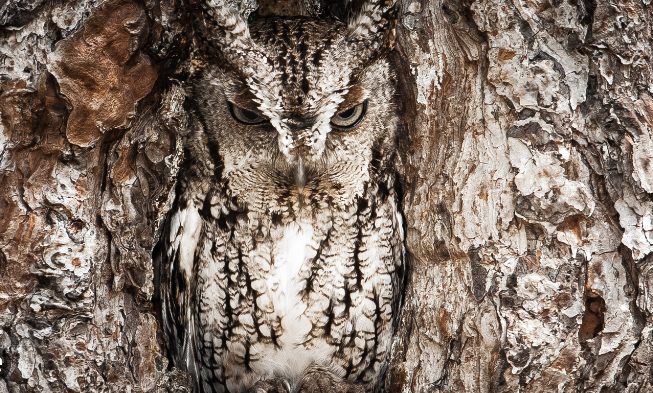
Owl camouflage is one of nature’s most fascinating adaptations. These incredible birds are masters of disguise, seamlessly blending into their surroundings in forests. Understanding their camouflage provides insight not only into their hunting strategies but also into the ecological dynamics of forest habitats.
1. The Art of Coloration
Owls exhibit a wide range of feather colors, often reflecting the hues found in their forest environments. The intricate patterns on their feathers consist of browns, grays, and whites, mimicking tree bark, leaves, and shadowy undergrowth. This coloration is crucial, allowing them to remain unnoticed by both prey and potential predators. For instance, the Great Horned Owl has mottled feathers that resemble the bark of trees, allowing it to perch quietly without detection.
Moreover, the specific coloration of an owl can vary greatly depending on its habitat. Owls living in dense forests may have darker plumage than those in more open areas. This adaptability helps them remain hidden regardless of the environment. By blending in with their surroundings, owls are not only able to ambush prey but also protect themselves from larger predators.
-
- Observe the coloration of local owl species.
-
- Identify which tree or plant colors they match.
-
- Consider how different habitats may affect their coloration.
-
- Note the time of year and how feather colors may change with seasons.
2. Texture and Pattern: More than Just Looks
The unique textures and patterns of owl feathers play a significant role in their camouflage. The fluffy, soft structure of owl feathers helps to break up their outline, making it difficult for observers to spot them in the wild. The irregular patterns provide a visual disruption, which is particularly effective when the owl is perched amidst branches and foliage.
In addition to their visual camouflage, the structure of the feathers aids in sound dampening. Owls have specialized wing feathers that allow for silent flight, which not only benefits their hunting but also contributes to their stealthy appearance. This combination of texture and sound control enables them to approach prey undetected, enhancing their effectiveness as nocturnal hunters.
-
- Examine the textures of feathers on different owl species.
-
- Notice how their patterns mimic surrounding elements.
-
- Pay attention to the sounds they produce while flying.
-
- Study how their feather structure supports their hunting methods.
3. Behavioral Adaptations to Enhance Camouflage
Owls employ behavioral strategies that complement their physical camouflage. For instance, they often choose specific perches that enhance their concealment. By selecting branches with similar colors and textures, they maximize their ability to blend into the environment. This situational awareness is key to both hunting success and evading danger.
Another behavioral adaptation is their ability to remain motionless for extended periods. While waiting for prey to come into range, owls can stay incredibly still, preventing any movement that might attract attention. This stillness, combined with their natural camouflage, makes them nearly invisible in the underbrush. Many owl species also engage in the “broken wing” display to lure potential threats away from their nests.
-
- Observe owls in their natural habitats focusing on their perching choices.
-
- Watch for their stillness while hunting or resting.
-
- Learn about their behavioral strategies for evading predators.
-
- Consider how their hunting methods vary based on their environment.
4. Influences of Seasonal Changes
Seasonal changes dramatically affect the effectiveness of owl camouflage. During the fall, foliage changes color, impacting the way owls blend into their surroundings. Owls that may have been well-camouflaged during the green summer months may find themselves more exposed as leaves change to bright reds and yellows. Interestingly, some species of owls also undergo molting, replacing their feathers to adapt to the new seasonal colors.
Winter presents another challenge for camouflage. In snowy regions, the contrast of white snow against bark can make some owls more visible. However, species like the Snowy Owl have feathers that allow them to blend seamlessly into a snowy environment. This adaptability to seasonal changes is crucial for survival and showcases the remarkable abilities of owls to thrive in diverse habitats.
-
- Keep a seasonal diary of owl sightings and the environments where you see them.
-
- Observe how their coloration changes throughout the year.
-
- Take note of which environmental conditions are ideal for spotting owls.
-
- Discuss seasonal adaptations with local wildlife groups or in forums.
In conclusion, understanding the camouflage secrets of owls in forests reveals just how deeply these creatures are intertwined with their habitats. Their adaptations not only allow them to survive but also play a critical role in maintaining the ecosystem balance. If you’re interested in learning more about these amazing birds, consider joining local wildlife workshops or conducting your own observations in the field.