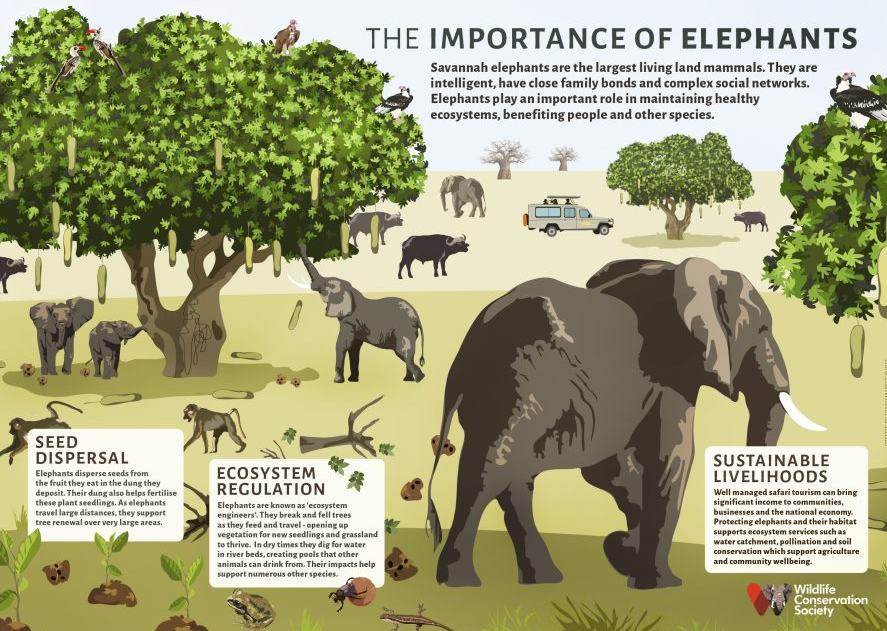
Elephants, majestic creatures and keystones of their ecosystems, have faced significant changes in habitat use over time due to various factors, including climate change, human activities, and conservation efforts. Understanding these changes can help in the establishment of effective conservation strategies and the preservation of these magnificent animals.
1. Historical Habitat Use of Elephants
Historically, elephants roamed vast areas, occupying diverse habitats ranging from savannas to dense forests. Their movement patterns were largely dictated by seasonal changes, the availability of water, and food resources. For instance, in Africa, African bush elephants would migrate between lodge areas and waterholes, traveling long distances to sustain their needs. However, this natural behavior has been disrupted over the years.
The expansion of agriculture and the construction of roads and settlements have encroached upon these traditional migration routes. As a result, elephants have had to adapt by finding new paths which often bring them into conflict with human populations. This shift not only alters their behaviors but can lead to problems like crop destruction or human injuries, underscoring the need for better coexistence strategies.
-
- Research historical migration patterns to understand traditional habitats.
-
- Support initiatives that establish protected corridors for elephant migration.
-
- Advocate for anti-poaching laws to ensure elephants can thrive in their habitats.
-
- Encourage local communities to participate in conservation efforts.
2. Impact of Climate Change on Habitat Use
Climate change poses a significant threat to elephant habitats, altering rainfall patterns and temperatures, which in turn affects the availability of water and food resources. For example, prolonged droughts can shrink the natural forage areas for elephants in regions like East Africa, forcing them to venture closer to human settlements in search of food. This shift not only leads to competition for resources but also increases the likelihood of human-elephant conflicts.
Additionally, regions that were once suitable habitats may become unsuitable due to rising temperatures or altered ecosystems. Wetlands may dry up, and grasslands may be replaced by shrubland, which can further force elephants to adapt their habitat use. These changing conditions emphasize the critical need for understanding how elephants can adapt to new challenges presented by a warming planet.
-
- Monitor local climate conditions and changes in elephant behavior.
-
- Participate in community awareness programs about the effects of climate change on wildlife.
-
- Support conservation projects focused on habitat restoration.
-
- Advocate for sustainable land use practices to decrease human-wildlife conflict.
3. Conservation Efforts and Their Impact on Habitat Use
In recent years, various conservation efforts have aimed at protecting elephant populations and their habitats. These initiatives include creating national parks, wildlife reserves, and protected corridors to ensure that elephants have safe passage between critical areas. For instance, the establishment of the Amboseli National Park in Kenya has greatly benefited elephants by preserving water sources and preventing habitat destruction.
Moreover, community-based conservation programs have engaged local populations in protecting elephants and their habitats. These initiatives not only foster coexistence but also provide economic incentives for local communities, reducing the pressure on elephant habitats. Conservationists argue that sustainable tourism can play a pivotal role in funding these efforts while promoting awareness and education among the public.
-
- Get involved in local conservation programs aimed at protecting elephant habitats.
-
- Advocate for the establishment and maintenance of national parks.
-
- Support eco-friendly tourism that benefits local communities.
-
- Participate in awareness campaigns about the importance of elephant conservation.
4. The Role of Technology in Monitoring Habitat Use
Advancements in technology have revolutionized how researchers monitor elephant habitat use. GPS collars and satellite imagery allow scientists to track elephants’ movements in real time, providing critical data on their range and habitat preferences. For example, tracking elephants in Botswana has offered insights into how these animals adapt to changing environments and human encroachment in their territories.
Additionally, camera traps have become invaluable in assessing wildlife activity and understanding the dynamics of elephant populations. This data can be used to identify key areas needing protection or highlight regions where elephants may be vulnerable to human interaction. Enhancements in technology continue to facilitate better conservation efforts by providing actionable insights into elephant habits.
-
- Encourage the use of technology like GPS tracking to study elephant movement.
-
- Support research initiatives that utilize technology for data collection.
-
- Engage with local universities or NGOs working on wildlife conservation.
-
- Stay informed about technological advancements in wildlife tracking.
Understanding the changes in elephant habitat use over time is crucial for effective conservation strategies. By remaining informed about these shifts and advocating for sustainable practices, we can contribute towards safeguarding these magnificent animals and their homes for future generations. Get involved, stay educated, and take action to protect our shared wildlife heritage.