Eagles are magnificent creatures renowned for their impressive aerial abilities and fierce territorial instincts. Observing their territorial battles provides a glimpse into their social structures and survival strategies. Thanks to modern technology, many of these dramatic encounters have been caught on camera, revealing fascinating insights into their behavior.
1. Understanding Eagle Territorial Behavior
Eagle territorial behavior is an essential aspect of their survival strategy. These birds are known to establish and defend large territories, which can vary significantly depending on the species and environmental conditions. Eagles typically select areas rich in food sources, providing them with direct benefits from defending these territories. Established pair bonds often work together to protect their domain, showcasing cooperative behaviors that are crucial for their success.
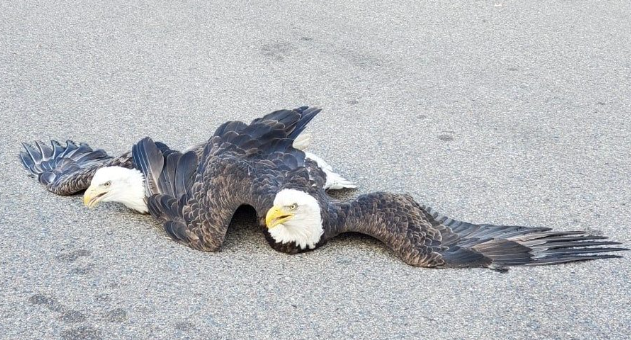
When a rival eagle intrudes into this territory, it ignites a fierce and visible display of aggression. The defending eagle will often engage in vocalizations, soaring displays, and aerial combat. These battles can range from intimidating posturing to full-blown aerial chases, highlighting the lengths these birds will go to protect their home and resources.
-
- Observe their vocalizations; they can be key indicators of territorial incursions.
-
- Document the size and topography of the territory in question.
-
- Look for evidence of nesting and feeding areas, as these are often defended the most closely.
-
- Pay attention to the types of aerial displays that occur during conflicts.
2. Capturing Eagle Battles on Camera
Modern technology has provided wildlife enthusiasts, researchers, and documentary filmmakers with unprecedented opportunities to capture eagle battles on camera. High-definition cameras and drones have enabled observers to film these majestic creatures from various angles and distances, revealing intricate details of their behavior. These visual records offer invaluable data for understanding eagle dynamics and can contribute significantly to conservation efforts.
Filming these territorial battles requires careful planning and patience. Enthusiasts often scout locations where eagles are known to nest and hunt to increase their chances of witnessing a confrontation. Utilizing telephoto lenses can enhance the details captured during the action without disturbing the birds. Proper permits and guidelines should always be followed to ensure a responsible approach to wildlife photography.
-
- Research local eagle populations to find the best observation points.
-
- Invest in quality equipment, such as a zoom lens or high-resolution camera.
-
- Create a field guide to help identify different eagle species.
-
- Be respectful of wildlife; maintain a safe distance while filming.
3. The Impact of Territorial Battles on Eagle Populations
The outcomes of territorial battles can significantly affect the dynamics of eagle populations. Successful territorial defense often leads to increased chances of survival and reproduction for the defending pair. Conversely, an unsuccessful attempt to fend off rivals can lead to loss of territory, food resources, and breeding opportunities. This struggle for dominance can also affect genetic diversity within populations, as successful breeders may pass down their genes to subsequent generations.
Research has shown that factors such as habitat availability and food scarcity influence the frequency and intensity of these battles. As environmental changes occur, such as deforestation or climate change, eagles may increasingly compete for limited resources. Monitoring territorial behaviors helps researchers understand these ecological shifts, crucial for developing effective conservation strategies.
-
- Track population trends and survival rates in territories over time.
-
- Study food availability and how it correlates with territorial disputes.
-
- Participate in local birdwatching groups to share observations and data.
-
- Support wildlife conservation efforts to preserve eagle habitats.
4. Observing and Recognizing Eagle Combat Behavior
Recognizing eagle combat behavior can be an exhilarating experience for wildlife watchers. These confrontations often begin with vocal calls and aerial displays from the defending bird. If an intruder fails to retreat, the conflict may escalate into physical encounters, such as talon grappling or dramatic mid-air maneuvering. Observers should be aware of the specific species behaviors, as different eagles may have unique combat styles.
In addition to direct fights, eagles may engage in threat displays, where they showcase their size and strength to intimidate rivals. Observing these tactics enriches the experience of watching these majestic birds and provides insight into their social interactions. It can also aid in understanding their role in the ecosystem and the necessity of protecting their habitats.
-
- Familiarize yourself with different eagle species and their behaviors.
-
- Take notes on the specific actions and vocalizations you observe.
-
- Use binoculars to get a better view of their combat interactions.
-
- Join bird-watching tours or workshops for expert guidance.
In conclusion, eagle territorial battles are spectacular displays of nature that highlight the struggles these magnificent birds face daily. Understanding their behavior not only enriches our knowledge of wildlife but also emphasizes the importance of conservation efforts to protect their habitats. So grab your binoculars, find a local eagle nesting area, and immerse yourself in the fascinating world of these powerful, territorial raptors!