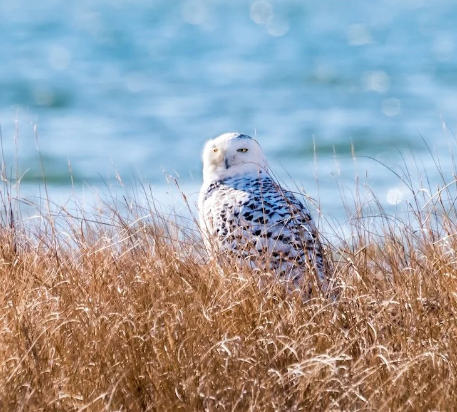
The Snowy Owl, known for its striking white plumage and piercing yellow eyes, is one of the most iconic birds of the Arctic. Each winter, these magnificent creatures embark on a journey known as winter migration irruption, a phenomenon that captivates birdwatchers and nature enthusiasts alike.
1. Understanding Snowy Owl Winter Migration Irruptions
Snowy Owl winter migration irruptions refer to the unpredictable movements of these owls from their breeding grounds in the Arctic southwards into Canada and the northern United States. Unlike typical migratory patterns where birds travel to the same location every year, irruptions occur in response to environmental factors, particularly the availability of prey. When lemming populations, their primary food source, fluctuate, Snowy Owls are driven to seek food in more southern regions.
This irruption can vary significantly from year to year. Some winters may see a large influx of Snowy Owls in states like Minnesota, New York, or even further south, while other years may have very few. These movements have been tracked by ornithologists for decades, providing valuable insights into the interrelationship between these owls and their environment. Birdwatchers often anticipate these irruptions as unique opportunities to observe these majestic creatures up close.
-
- Keep an eye on local birdwatching reports for any sightings.
-
- Research the breeding patterns of lemming populations to predict irruptions.
-
- Connect with local wildlife organizations to learn about the best viewing spots.
-
- Prepare your camera and binoculars for an unexpected adventure.
2. Their Habitats and Behavior During Irruptions
During winter migration irruptions, Snowy Owls can be found in a variety of habitats, unlike their typical tundra environments. They often prefer open areas such as fields, beaches, and even urban landscapes, providing ample hunting opportunities. During this time, the owls display unique behaviors, adjusting their hunting techniques to their new surroundings. They may perch on utility poles, fence posts, or even rooftops as they scan for prey.
Their diet primarily consists of small mammals, particularly rodents, though they may also hunt birds and other small animals. Snowy Owls rely on their acute hearing and sharp eyesight to locate prey, which they catch with powerful talons. This versatile hunting behavior helps them adapt to different environments, making them fascinating subjects for wildlife observation and photography.
-
- Utilize maps and guides to locate open habitats where Snowy Owls are likely to hunt.
-
- Observe from a distance to avoid disturbing the owls as they hunt.
-
- Take note of their hunting behavior to better appreciate their skills.
-
- Use binoculars for a closer view without getting too close.
3. Conservation and the Future of Snowy Owls
While Snowy Owls are not currently listed as endangered, their population is affected by climate change and habitat loss. The warming Arctic is increasingly threatening their natural habitat and food supply. As lemming populations decline due to environmental changes, Snowy Owls face challenges in finding adequate food during critical times of the year.
Conservation efforts focus on habitat preservation and research into the impacts of climate change on their populations. Engaging in citizen science projects, such as reporting owl sightings and participating in local conservation programs, can significantly contribute to the understanding and protection of these magnificent birds. Public education and awareness are crucial for fostering a culture of respect and conservation toward Snowy Owls and their habitats.
-
- Get involved with local conservation groups focused on avian protection.
-
- Support policies aimed at combating climate change.
-
- Participate in community efforts to monitor Snowy Owl populations.
-
- Educate others about the importance of preserving natural habitats.
In conclusion, the Snowy Owl’s winter migration irruptions offer a fascinating glimpse into the dynamic relationship between wildlife and their environment. Understanding these patterns enhances our appreciation for these beautiful birds and empowers us to take action in their conservation. Whether you’re a seasoned birdwatcher or a casual observer, every small effort counts in preserving their future.